Discover cell phones for sale without plans, ideal for seniors, including discounts and new 5G models tailored for their needs.
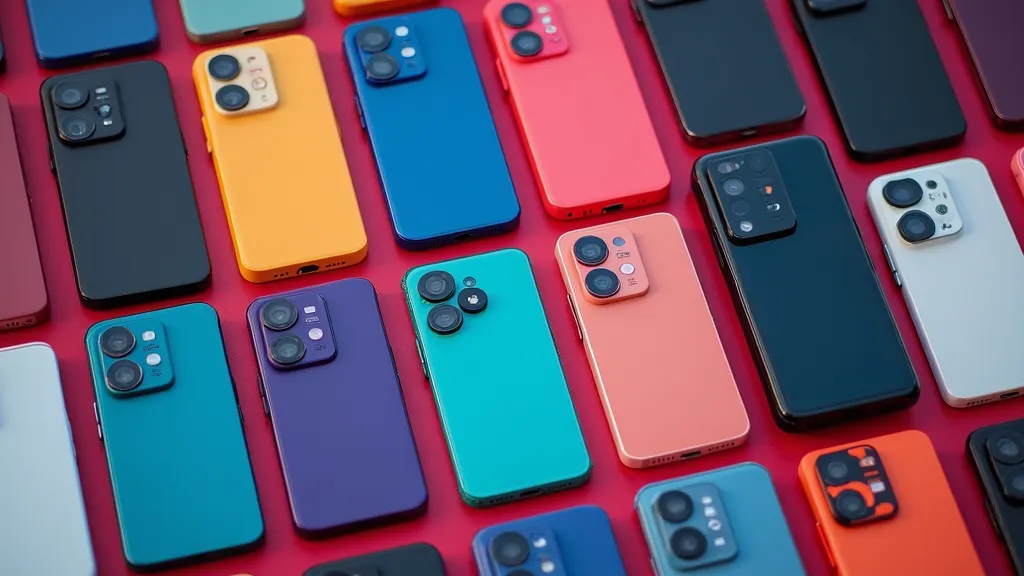
The landscape of cell phones has evolved dramatically, offering a plethora of options for consumers. For seniors, finding the right cell phone can be a daunting task, especially with the myriad of plans and features available. Fortunately, there are cell phones for sale without plans, making it easier for seniors to stay connected without the burden of complicated contracts.
Buying a cell phone without a plan has several advantages. First and forevery, it allows seniors to choose a device that fits their needs without being tied to a specific service provider. This flexibility is crucial for those who may not need extensive features or data plans.
Moreover, purchasing a phone outright can often lead to significant savings in the long run. Many retailers offer discounts on phones, especially older models or unsold inventory, allowing seniors to find a budget-friendly option that meets their requirements.
Many retailers have unsold phones that are still high-quality and feature-rich. These unsold phones can be an excellent choice for seniors looking for a reliable device at a reduced price. Often, these phones come with the same warranty and support as new devices, ensuring peace of mind for the buyer.
When searching for unsold phones, it's crucial to consider factors such as battery life, ease of use, and size. Brands often release new models, which can leave older models available at discounted prices, making them perfect for seniors who want functionality without the latest tech.
Discounts on cell phones have become increasingly common, especially for seniors. Many manufacturers and retailers recognize the need for affordable devices among older adults. Promotions and sales events can lead to substantial savings on both hardware and accessories.
Seniors should look out for seasonal sales, manufacturer discounts, and even trade-in deals that can further reduce the cost of a new phone. It's wise to compare prices across various retailers to find the top deal. Additionally, some local stores may offer exclusive discounts for seniors, so it's worth inquiring about any available promotions.
The introduction of new 5G phones has transformed the mobile experience, offering faster internet speeds and improved connectivity. For seniors, a 5G phone can enhance communication with family and friends, provide access to essential services, and improve overall usability.
When considering a new 5G phone, look for features such as large screens for easy visibility, long battery life, and user-friendly interfaces. Many manufacturers have developed models specifically designed for seniors, with simplified menus and larger icons, making them ideal for anyone who may not be tech-savvy.
In addition to finding the right device, seniors can benefit from cell phone plans tailored specifically for their needs. Many carriers offer senior plans that provide essential features at an affordable price. These plans often include unlimited talk and text, and some even come with limited data options that are perfect for browsing the internet or using social media.
When selecting a cell phone plan, consider factors like coverage in your area, monthly costs, and additional features. Some plans are designed for light users, making them an excellent choice for seniors who primarily use their phones for communication.
Some of the top cell phones for seniors include models with large displays, intuitive interfaces, and long battery life. Brands like Samsung, Apple, and Google offer user-friendly options.
Yes, many retailers and service providers offer discounts for seniors. It's advisable to ask about any promotions or special pricing when purchasing a cell phone.
Buying a phone outright can save money in the long run, as you avoid monthly payments tied to a plan. However, plans might offer additional benefits that could be useful depending on your usage.
Seniors can take advantage of community classes, online tutorials, or ask family members for help in learning how to use new technology effectively.
Seniors should look for features such as large screens, clear sound quality, ease of use, and long battery life. Accessibility features can also enhance usability.
Finding the right cell phone and plan can significantly enhance the quality of life for seniors, allowing them to stay connected with loved ones and access valuable information. With a wide range of cell phones for sale without plans, unsold phones at discounted rates, and new 5G technology, there has never been a better time to explore options tailored for seniors. Remember to consider the specific needs and preferences when choosing a device, and take advantage of the various resources available to ensure a smooth transition to modern technology.






This guide explains how to access government-supported smartphone and wireless benefits through providers such as SafeLink Wireless, Assurance Wireless, StandUp Wireless, Access Wireless, and True Wireless. It also outlines eligibility screening, online application steps, and what typical plan components include, using objective background information about the Lifeline/ACP frameworks behind these programs.
This guide explains how Lifeline-based government phone plans can help eligible people access reliable wireless service through providers such as SafeLink Wireless, Assurance Wireless, StandUp Wireless, Access Wireless, and True Wireless, with application steps, eligibility factors, and typical plan components. It also clarifies how to compare included services and optional add-ons in an objective, compliance-focused way.

This guide explains how to access government-supported phone programs from providers such as Safelink Wireless (05490497386), Assurance Wireless, StandUp Wireless, Access Wireless, and True Wireless. It outlines eligibility requirements, application steps, and plan components so you can compare service coverage, typical device options, and potential upgrade costs. Background context is provided objectively, based on public program rules and provider documentation.

This guide explains how programs from Safelink Wireless, Assurance Wireless, StandUp Wireless, Access Wireless, and True Wireless work, who qualifies, and how to apply. It also compares the typical device, talk/text, and data benefits that are commonly offered under Lifeline and ACP-style support, using objective, program-based criteria rather than promotional claims.

This guide explains how government-supported smartphone programs operate through SafeLink Wireless, Assurance Wireless, StandUp Wireless, Access Wireless, and True Wireless, including eligibility, step-by-step application, and what typical services include. It reviews how keywords like 8193912845 fit into common search intent about “government phone” options, while providing objective background on Lifeline and ACP-style enrollment requirements.
This guide explains how major Lifeline-based wireless providers work, what services are typically included, and how to apply for government-supported smartphone programs. It outlines eligibility expectations, documentation steps, and common plan features—grounded in provider websites and federal assistance program structures. It also discusses practical considerations such as device upgrades, plan limitations, and activation timelines.
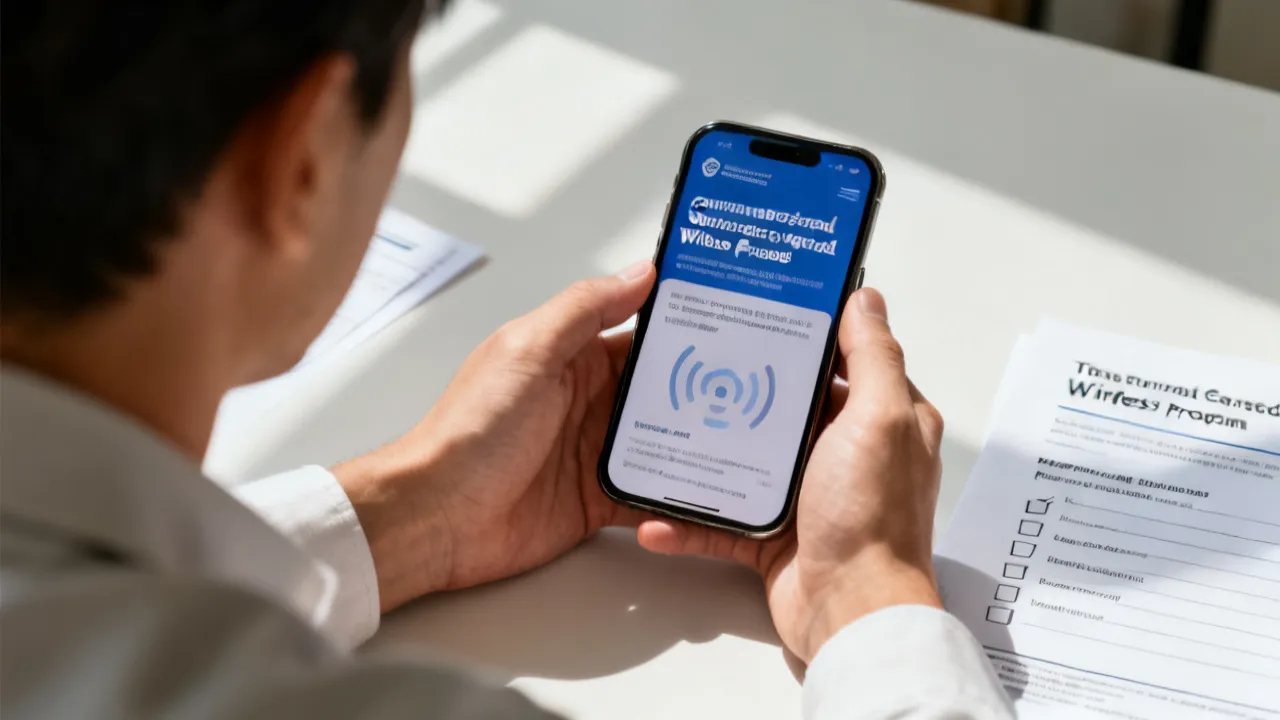
This guide explains how to access government phone programs through major Lifeline-based providers, comparing services, eligibility requirements, and the application steps. It also clarifies what the program typically covers (calls, texting, and data allowances) and what may involve optional add-ons. Background information is provided on how federal and state assistance programs operate, and what applicants should prepare before submitting documentation.
This guide explains how to apply for government phone service options from providers such as SafeLink Wireless, Assurance Wireless, StandUp Wireless, Access Wireless, and True Wireless. It provides objective background on Lifeline and related programs, outlines typical eligibility rules and required documentation, and offers practical tips for completing applications correctly. A comparison table and FAQs help readers understand plan inclusions and possible add-on costs.