This guide offers a detailed examination of how to apply for a government-assisted phone through various U.S. providers. Programs such as Lifeline and ACP provide eligible individuals with communication resources. This initiative aims to ensure that low-income households or those participating in government aid programs can access affordable wireless services and devices.
In today's digitally connected world, staying in touch with friends, families, education, and potential employers is critical. However, the cost of communication can be a substantial barrier for many individuals and families across the United States. To address this persistent issue, several government-backed programs enable qualified individuals to apply for affordable phone plans. These services are primarily supported by the Lifeline and Affordable Connectivity Program (ACP), both of which aim to bridge the communication gap for low-income earners and ensure they have access to essential mobile services.
Communication has evolved from being a luxury to a necessity, encompassing various aspects of daily life. Many government initiatives ensure that even those who are financially disadvantaged can access these services. The programs not only help individuals remain connected but also aid in their educational and job-seeking efforts, promoting economic independence.
There are multiple options available for those looking to obtain a government-aided phone plan. Below is a comprehensive rundown of major providers, the services included, and additional costs associated with each:
| Provider | Included Services | Additional Costs |
|---|---|---|
| SafeLink Wireless | Affordable smartphone or BYOD (Bring Your Own Device) options, unlimited talk, text, and variable data allowances | Potential upgrades and additional data packages available for purchase |
| Assurance Wireless | Affordable Android smartphone, unlimited talk and text, various data allowances tailored to user needs | Higher-tier data plans and international calling options may incur extra charges |
| StandUp Wireless | Affordable smartphone or BYOD option, unlimited talk and text, inclusive data packages | Fees may apply for premium device upgrades and extra data bonuses |
| Access Wireless | Unlimited talk and text services, along with limited high-speed data within Lifeline and ACP frameworks | Additional costs for data boosts and device upgrades can be expected |
| True Wireless | Affordable phone options endorsed by government assistance programs, comprehensive voice, and competitive data plans | Costs for upgraded devices and supplemental data packages may be incurred |
These providers serve as a critical resource for individuals in need of accessible communication solutions. More detailed information regarding each program can be accessed through their respective official websites.
The process of applying for a government-sponsored phone requires several systematic steps and adherence to specific eligibility criteria. Here's an in-depth guide to assist individuals in securing this vital service:
Access to a cellphone through government programs can significantly impact one's ability to find employment, maintain personal relationships, and access emergency services. These plans offer a robust array of features designed to assist those who may otherwise be disconnected from vital resources:
The overall impact of these programs extends beyond mere communication; they foster social inclusion and access to critical services that can improve quality of life. Ensuring that everyone has access to mobile communication tools is a vital step toward building a more equitable society.
The opportunity to apply for an affordable phone through government programs serves as a vital resource for countless households across the United States. By taking the time to understand the application process and eligibility criteria, individuals can take advantage of these services to improve their quality of life. The implications of such access extend far beyond mere communication; they represent an essential tool for empowerment, education, and connection.
In a world that increasingly relies on digital connectivity, having access to reliable communication tools is no longer a luxury but a necessity. Government-supported mobile services play a critical role in ensuring that everyone, regardless of their financial situation, has the opportunity to stay connected, informed, and engaged with the community around them.
Disclaimer: The information compiled above reflects data available as of October 2023 from various government and provider sources. It is important to consult official provider requirements and resources for the most accurate and up-to-date information. This information should not be construed as a guarantee that applicants will obtain government-subsidized phones or services, as each application is subject to verification and approval based on specific criteria.
For those interested in learning more about the provision of government-supported phone services and the myriad of options available, here are some valuable resources:
These resources can provide further assistance in navigating the landscape of government-supported mobile services, ensuring that individuals and families have the necessary information to make informed choices about their communication needs and services.





This guide explains how to access government-supported smartphone and wireless benefits through providers such as SafeLink Wireless, Assurance Wireless, StandUp Wireless, Access Wireless, and True Wireless. It also outlines eligibility screening, online application steps, and what typical plan components include, using objective background information about the Lifeline/ACP frameworks behind these programs.
This guide explains how Lifeline-based government phone plans can help eligible people access reliable wireless service through providers such as SafeLink Wireless, Assurance Wireless, StandUp Wireless, Access Wireless, and True Wireless, with application steps, eligibility factors, and typical plan components. It also clarifies how to compare included services and optional add-ons in an objective, compliance-focused way.

This guide explains how to access government-supported phone programs from providers such as Safelink Wireless (05490497386), Assurance Wireless, StandUp Wireless, Access Wireless, and True Wireless. It outlines eligibility requirements, application steps, and plan components so you can compare service coverage, typical device options, and potential upgrade costs. Background context is provided objectively, based on public program rules and provider documentation.

This guide explains how programs from Safelink Wireless, Assurance Wireless, StandUp Wireless, Access Wireless, and True Wireless work, who qualifies, and how to apply. It also compares the typical device, talk/text, and data benefits that are commonly offered under Lifeline and ACP-style support, using objective, program-based criteria rather than promotional claims.

This guide explains how government-supported smartphone programs operate through SafeLink Wireless, Assurance Wireless, StandUp Wireless, Access Wireless, and True Wireless, including eligibility, step-by-step application, and what typical services include. It reviews how keywords like 8193912845 fit into common search intent about “government phone” options, while providing objective background on Lifeline and ACP-style enrollment requirements.
This guide explains how major Lifeline-based wireless providers work, what services are typically included, and how to apply for government-supported smartphone programs. It outlines eligibility expectations, documentation steps, and common plan features—grounded in provider websites and federal assistance program structures. It also discusses practical considerations such as device upgrades, plan limitations, and activation timelines.
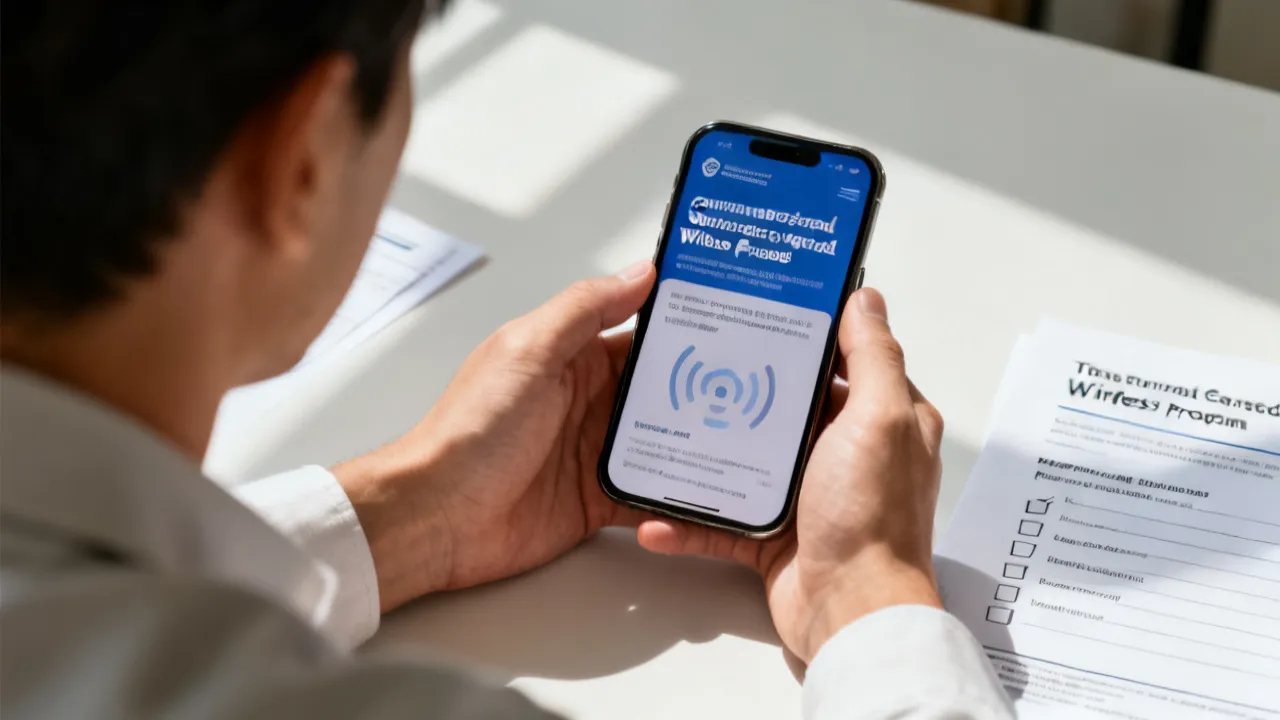
This guide explains how to access government phone programs through major Lifeline-based providers, comparing services, eligibility requirements, and the application steps. It also clarifies what the program typically covers (calls, texting, and data allowances) and what may involve optional add-ons. Background information is provided on how federal and state assistance programs operate, and what applicants should prepare before submitting documentation.
This guide explains how to apply for government phone service options from providers such as SafeLink Wireless, Assurance Wireless, StandUp Wireless, Access Wireless, and True Wireless. It provides objective background on Lifeline and related programs, outlines typical eligibility rules and required documentation, and offers practical tips for completing applications correctly. A comparison table and FAQs help readers understand plan inclusions and possible add-on costs.