Discover affordable cell phone plans and discounts tailored for seniors, ensuring connectivity without breaking the bank.

As technology continues to evolve, cell phones have become an essential part of our daily lives, including for seniors. However, finding the right cell phone plans for seniors can be challenging. This article will guide you through the top options available, including unsold phones specifically designed for seniors and cell phone discounts tailored to their needs. Understanding these plans can help seniors stay connected with friends and family without incurring excessive costs.
Cell phone plans designed for seniors offer several advantages. They often provide lower rates, simplified billing, and features that cater to the unique needs of older adults. Many seniors are on a fixed income, so it’s essential to find a plan that is not only affordable but also easy to understand. Moreover, these plans often include features such as larger text sizes, simplified user interfaces, and dedicated customer service.
One of the top ways to save money is by considering unsold phones for seniors. These devices are often available at discounted prices, providing excellent value without compromising quality. Unsold phones can be brand new or gently used, offering seniors access to the latest technology at a fraction of the cost. Many retailers and online marketplaces carry these devices, so it’s worth exploring these options.
Many service providers offer cell phone discounts specifically for seniors. Here are some of the top options available:
When selecting a phone for seniors, consider the following factors:
The top plans typically include those from AT&T, T-Mobile, Verizon, and Consumer Cellular, which cater specifically to the needs of seniors.
Yes, unsold phones often provide excellent value, allowing seniors to access modern technology at lower prices.
Seniors can obtain discounts by inquiring directly with service providers and checking for senior-specific plans.
Seniors should seek phones with ease of use, durability, accessibility features, and long battery life.
It’s essential to read the fine print when selecting a plan to avoid hidden fees related to activation, equipment, or data overages.
In conclusion, finding the right cell phone plan for seniors is crucial for maintaining connectivity and ensuring ease of use. By exploring unsold phones and various discounts, seniors can find affordable options that suit their needs. Whether it’s keeping in touch with family or accessing information on the go, the right cell phone plan can enhance the quality of life for seniors while also being budget-friendly.






This guide explains how to access government-supported smartphone and wireless benefits through providers such as SafeLink Wireless, Assurance Wireless, StandUp Wireless, Access Wireless, and True Wireless. It also outlines eligibility screening, online application steps, and what typical plan components include, using objective background information about the Lifeline/ACP frameworks behind these programs.
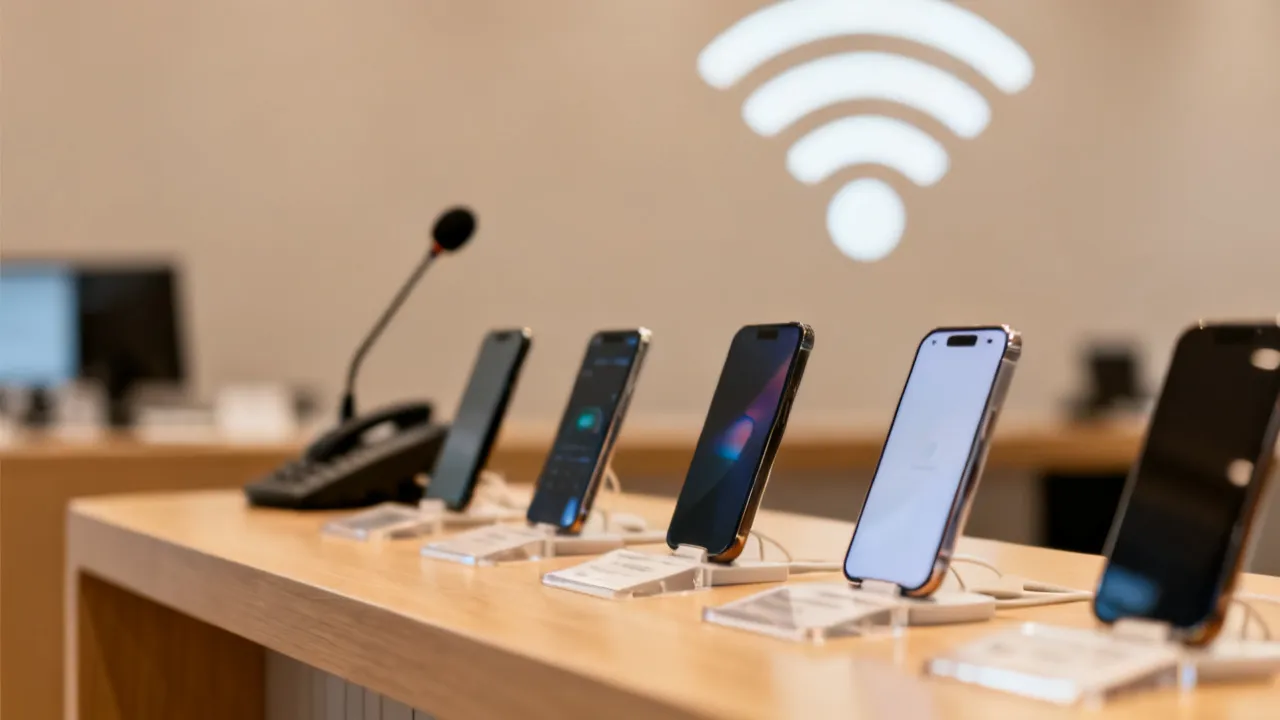
This guide explains how Lifeline-based government phone plans can help eligible people access reliable wireless service through providers such as SafeLink Wireless, Assurance Wireless, StandUp Wireless, Access Wireless, and True Wireless, with application steps, eligibility factors, and typical plan components. It also clarifies how to compare included services and optional add-ons in an objective, compliance-focused way.

This guide explains how to access government-supported phone programs from providers such as Safelink Wireless (05490497386), Assurance Wireless, StandUp Wireless, Access Wireless, and True Wireless. It outlines eligibility requirements, application steps, and plan components so you can compare service coverage, typical device options, and potential upgrade costs. Background context is provided objectively, based on public program rules and provider documentation.

This guide explains how programs from Safelink Wireless, Assurance Wireless, StandUp Wireless, Access Wireless, and True Wireless work, who qualifies, and how to apply. It also compares the typical device, talk/text, and data benefits that are commonly offered under Lifeline and ACP-style support, using objective, program-based criteria rather than promotional claims.

This guide explains how government-supported smartphone programs operate through SafeLink Wireless, Assurance Wireless, StandUp Wireless, Access Wireless, and True Wireless, including eligibility, step-by-step application, and what typical services include. It reviews how keywords like 8193912845 fit into common search intent about “government phone” options, while providing objective background on Lifeline and ACP-style enrollment requirements.
This guide explains how major Lifeline-based wireless providers work, what services are typically included, and how to apply for government-supported smartphone programs. It outlines eligibility expectations, documentation steps, and common plan features—grounded in provider websites and federal assistance program structures. It also discusses practical considerations such as device upgrades, plan limitations, and activation timelines.
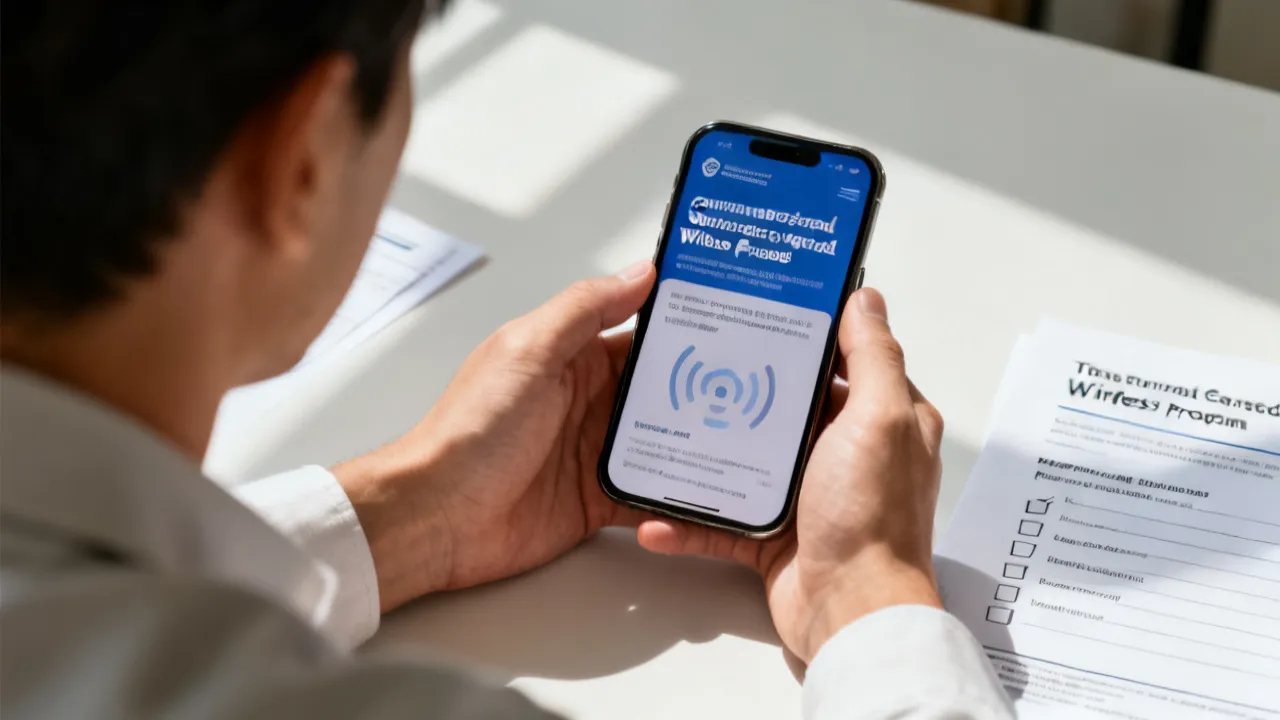
This guide explains how to access government phone programs through major Lifeline-based providers, comparing services, eligibility requirements, and the application steps. It also clarifies what the program typically covers (calls, texting, and data allowances) and what may involve optional add-ons. Background information is provided on how federal and state assistance programs operate, and what applicants should prepare before submitting documentation.

This guide explains how to apply for government phone service options from providers such as SafeLink Wireless, Assurance Wireless, StandUp Wireless, Access Wireless, and True Wireless. It provides objective background on Lifeline and related programs, outlines typical eligibility rules and required documentation, and offers practical tips for completing applications correctly. A comparison table and FAQs help readers understand plan inclusions and possible add-on costs.
