Discover the top cell phone options for seniors, including contract-affordable plans and the latest iPhone deals.
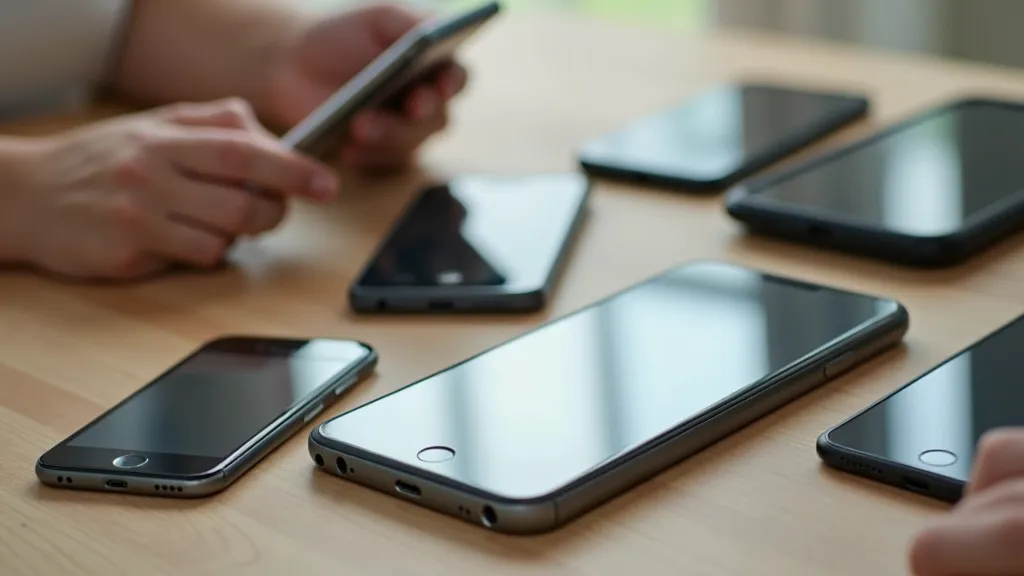
As technology continues to evolve, so do the options available for seniors seeking reliable mobile phones. Whether it's for staying connected with family and friends or accessing information quickly, the right phone can enhance a senior's lifestyle. However, choosing the right phone can be overwhelming due to the numerous options available. This article will explore the top phones for seniors, focusing on cell phone options that come without contracts, making them ideal for those who prefer a flexible arrangement.
Phones without contracts are becoming increasingly popular among seniors for several reasons:
When considering cell phone options, it's essential to evaluate features that are senior-friendly. Here are several recommended phones:
When looking for a new phone, it's important to consider the plan that accompanies it. Many providers offer various options tailored for seniors:
If you're an iPhone enthusiast, there are great deals available without a contract. Here are some of the top options:
Look for phones with large buttons, a simple interface, voice assistance, and emergency features. Good battery life is also essential.
Yes, many carriers offer discounted plans designed for seniors, including unlimited talk and text options.
Yes, you can opt for pay-as-you-go or prepaid plans that do not require a contract.
The Jitterbug Phone is often recommended due to its senior-focused design. However, the iPhone SE and Samsung Galaxy A Series are also great choices.
Look for prepaid options, consider family plans, or check for any senior discounts offered by carriers.
In conclusion, finding the right phone for seniors can significantly improve their communication and accessibility to technology. By exploring options that come without a contract, seniors can enjoy the affordabledom to choose a plan that top suits their needs while staying connected to the world around them.





This guide explains how to access government-supported smartphone and wireless benefits through providers such as SafeLink Wireless, Assurance Wireless, StandUp Wireless, Access Wireless, and True Wireless. It also outlines eligibility screening, online application steps, and what typical plan components include, using objective background information about the Lifeline/ACP frameworks behind these programs.
This guide explains how Lifeline-based government phone plans can help eligible people access reliable wireless service through providers such as SafeLink Wireless, Assurance Wireless, StandUp Wireless, Access Wireless, and True Wireless, with application steps, eligibility factors, and typical plan components. It also clarifies how to compare included services and optional add-ons in an objective, compliance-focused way.

This guide explains how to access government-supported phone programs from providers such as Safelink Wireless (05490497386), Assurance Wireless, StandUp Wireless, Access Wireless, and True Wireless. It outlines eligibility requirements, application steps, and plan components so you can compare service coverage, typical device options, and potential upgrade costs. Background context is provided objectively, based on public program rules and provider documentation.

This guide explains how programs from Safelink Wireless, Assurance Wireless, StandUp Wireless, Access Wireless, and True Wireless work, who qualifies, and how to apply. It also compares the typical device, talk/text, and data benefits that are commonly offered under Lifeline and ACP-style support, using objective, program-based criteria rather than promotional claims.

This guide explains how government-supported smartphone programs operate through SafeLink Wireless, Assurance Wireless, StandUp Wireless, Access Wireless, and True Wireless, including eligibility, step-by-step application, and what typical services include. It reviews how keywords like 8193912845 fit into common search intent about “government phone” options, while providing objective background on Lifeline and ACP-style enrollment requirements.
This guide explains how major Lifeline-based wireless providers work, what services are typically included, and how to apply for government-supported smartphone programs. It outlines eligibility expectations, documentation steps, and common plan features—grounded in provider websites and federal assistance program structures. It also discusses practical considerations such as device upgrades, plan limitations, and activation timelines.
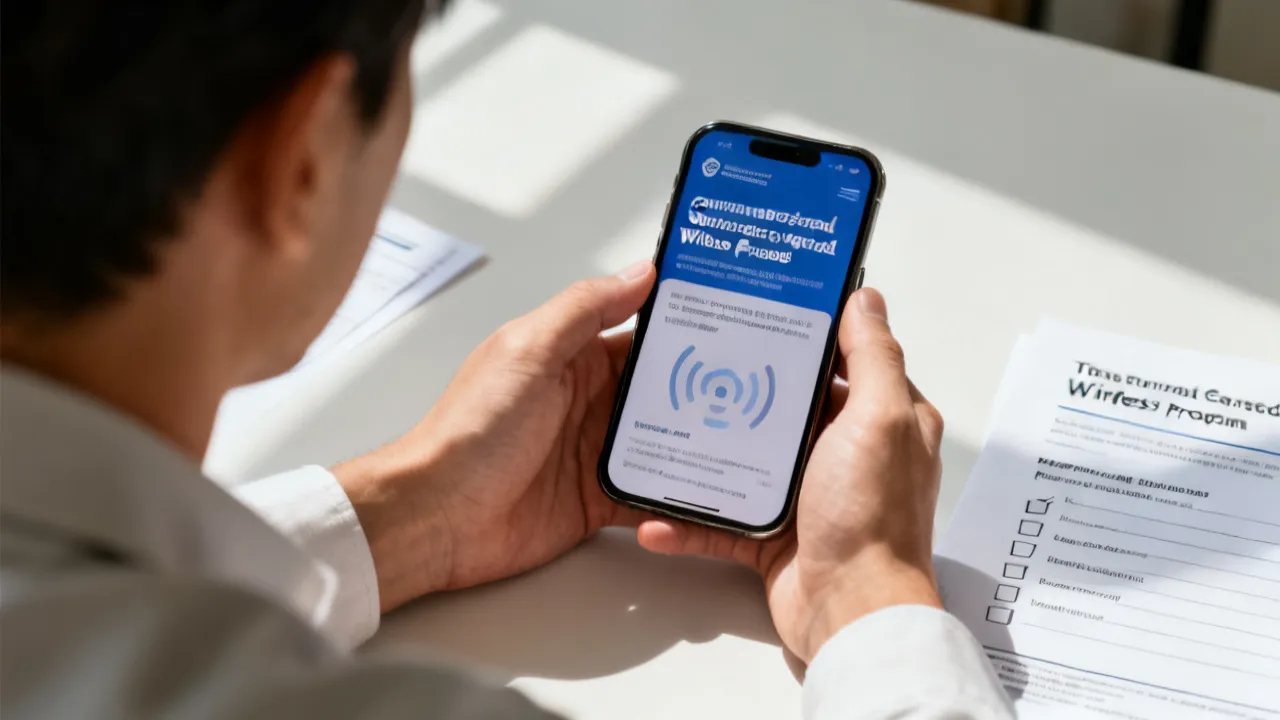
This guide explains how to access government phone programs through major Lifeline-based providers, comparing services, eligibility requirements, and the application steps. It also clarifies what the program typically covers (calls, texting, and data allowances) and what may involve optional add-ons. Background information is provided on how federal and state assistance programs operate, and what applicants should prepare before submitting documentation.
This guide explains how to apply for government phone service options from providers such as SafeLink Wireless, Assurance Wireless, StandUp Wireless, Access Wireless, and True Wireless. It provides objective background on Lifeline and related programs, outlines typical eligibility rules and required documentation, and offers practical tips for completing applications correctly. A comparison table and FAQs help readers understand plan inclusions and possible add-on costs.
