Discover the costs, benefits, and options for dental implants in your area, including low-cost solutions and full mouth implants.

Dental implants have revolutionized the field of dentistry, providing a good solution for those who have lost teeth. They not only restore the functionality of your mouth but also improve aesthetics, giving you back your confident smile. However, one of the very pressing questions patients often ask is about dental implant prices. Understanding the cost associated with dental implants can help you make informed decisions regarding your oral health.
Dental implants are artificial tooth roots made of titanium that are surgically placed into the jawbone. They serve as a sturdy foundation for replacement teeth, which can be either fixed or removable. The major types of dental implants include:
The cost of dental implants can vary significantly based on various factors. On average, the price for a single dental implant can range from $1,000 to $3,000. This figure does not include the associated costs of the crown, abutment, and any additional procedures like bone grafting or extractions. Here’s a breakdown of the various costs involved:
For those requiring a full mouth restoration, the costs can be significantly higher. Full mouth dental implants can range from $15,000 to $50,000 or more. This price generally includes the entire procedure from the initial consultation to the final placement of the good teeth. Additionally, factors like location, the dentist's experience, and additional treatments contribute to the overall cost.
If you're searching for dental implants near me low cost, there are several options available:
Permanency is one of the significant advantages of dental implants. Unlike dentures, which require periodic replacements and adjustments, dental implants are designed to last for many years, often a lifetime with proper care. This makes them a cost-effective solution in the long run, despite the initial investment.
Several factors can impact the overall cost of dental implants:
The procedure is performed under anesthesia, so patients typically experience minimal discomfort during the surgery. Post-operative pain is manageable with over-the-counter pain medication.
With proper care and maintenance, dental implants can last a lifetime. Regular dental check-ups and good oral hygiene practices are essential.
Ideal candidates should have healthy gums and sufficient jawbone density. Individuals with chronic illnesses or who smoke may need to consider other options or undergo additional treatments.
Gum disease should be treated before considering dental implants, as it can affect the success of the procedure.
Dental implants are an excellent investment for those seeking a good solution to tooth loss. While the initial cost may seem daunting, the benefits of improved function and aesthetics outweigh the short-term financial burden. By exploring options for dental implants near me low cost and understanding the various factors that influence prices, patients can make informed decisions that suit their needs and budget.






Tooth loss can significantly affect not only an individual's appearance but also their overall oral health. When a tooth is lost, the surrounding teeth can shift, leading to misalignment, increased plaque buildup, and potential periodontal issues. This article will discuss how dental implants can maintain oral health after tooth loss and provide practical guidance for individuals considering this restorative option.
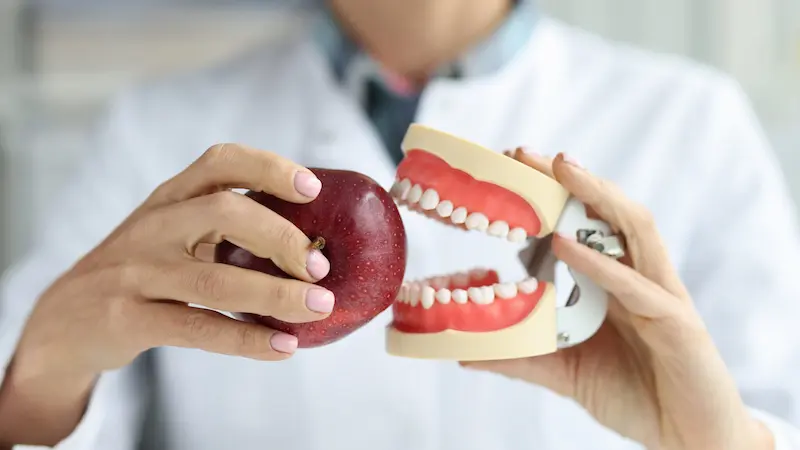
As society advances, the significance of oral health, particularly among the elderly population, has garnered increasing attention. One of the essential developments in this realm is the emergence of dental implants, which provide a viable solution for individuals suffering from tooth loss.
This article aims to provide an objective overview of the benefits, maintenance, and best practices related to dental implants for the elderly, enabling them to maintain optimal oral health.
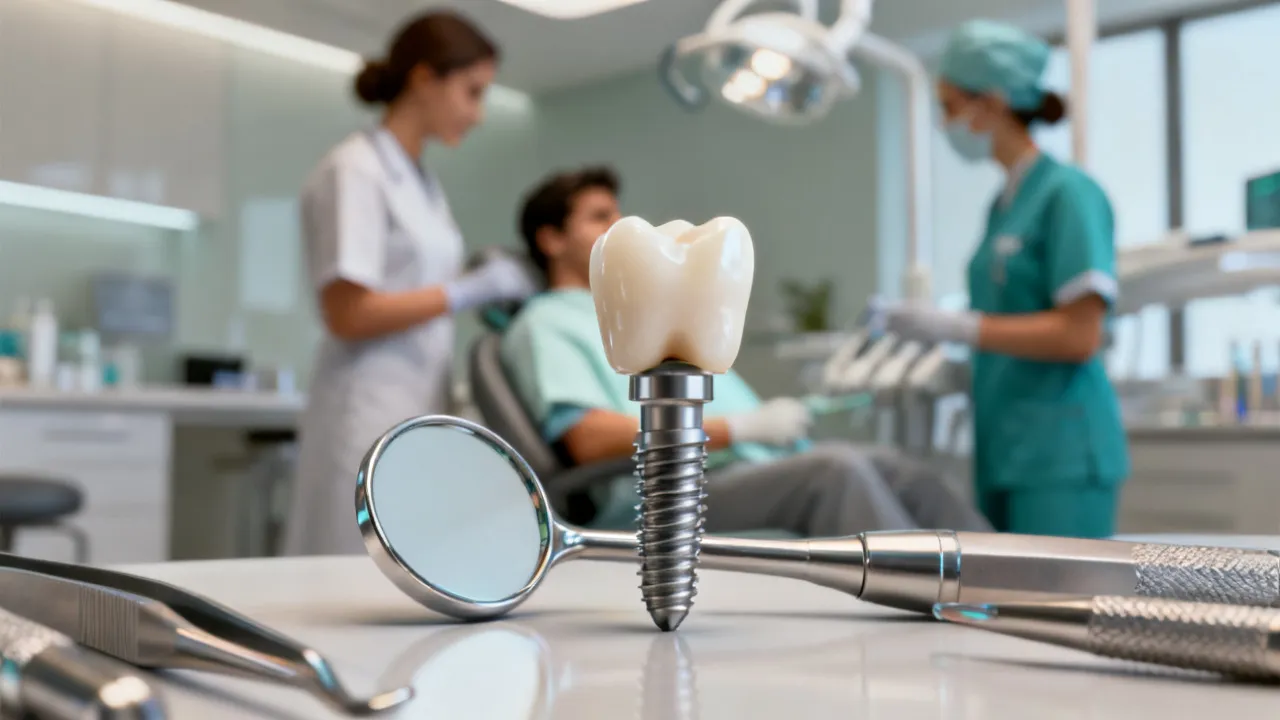
This guide explains how Vitrali Moema approaches dental implant care and what patients typically evaluate when seeking low-cost dental implants. It provides an objective overview of implant basics, cost drivers, and decision factors, plus a cross-country reference range and practical steps for obtaining affordable implant treatment responsibly.
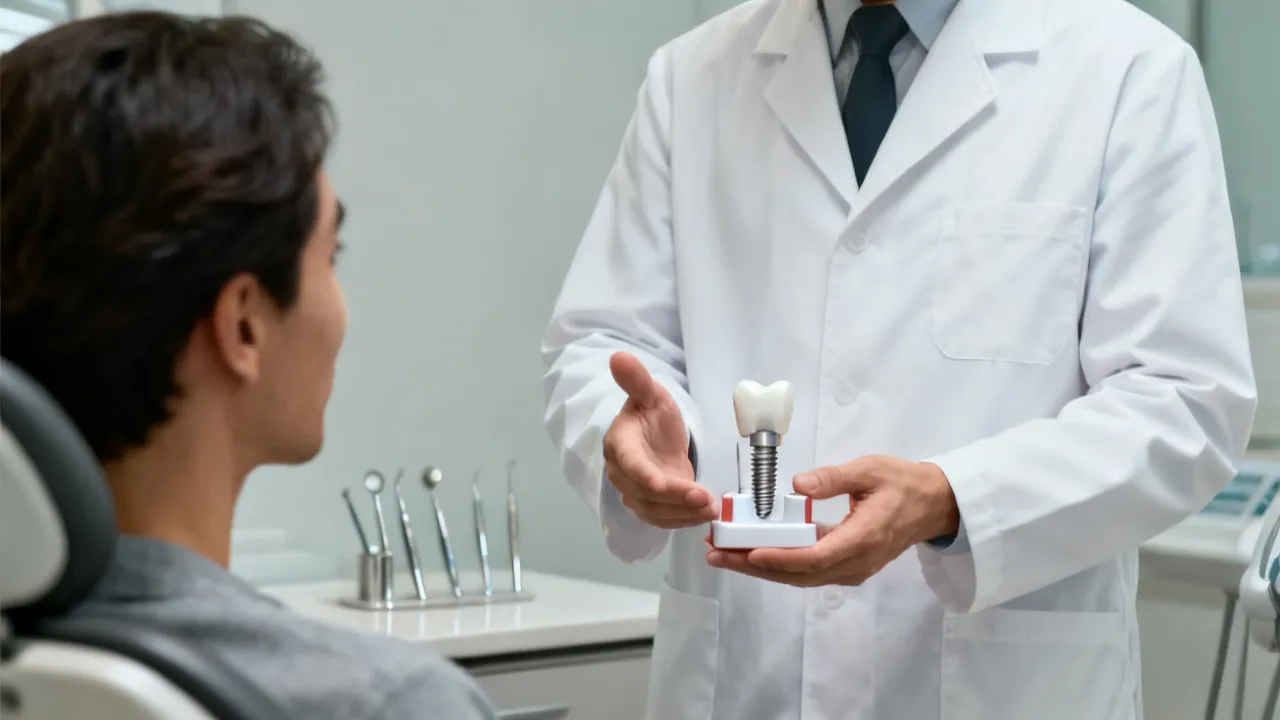
This guide reviews low-cost dental implant options and how people in English-, Spanish-, and Portuguese-speaking countries typically manage affordability. It explains what dental implants are, which factors drive price, and how to compare clinics, insurance, and dental tourism routes. It also provides practical steps, example implant cost ranges by country, and expert-style FAQs.
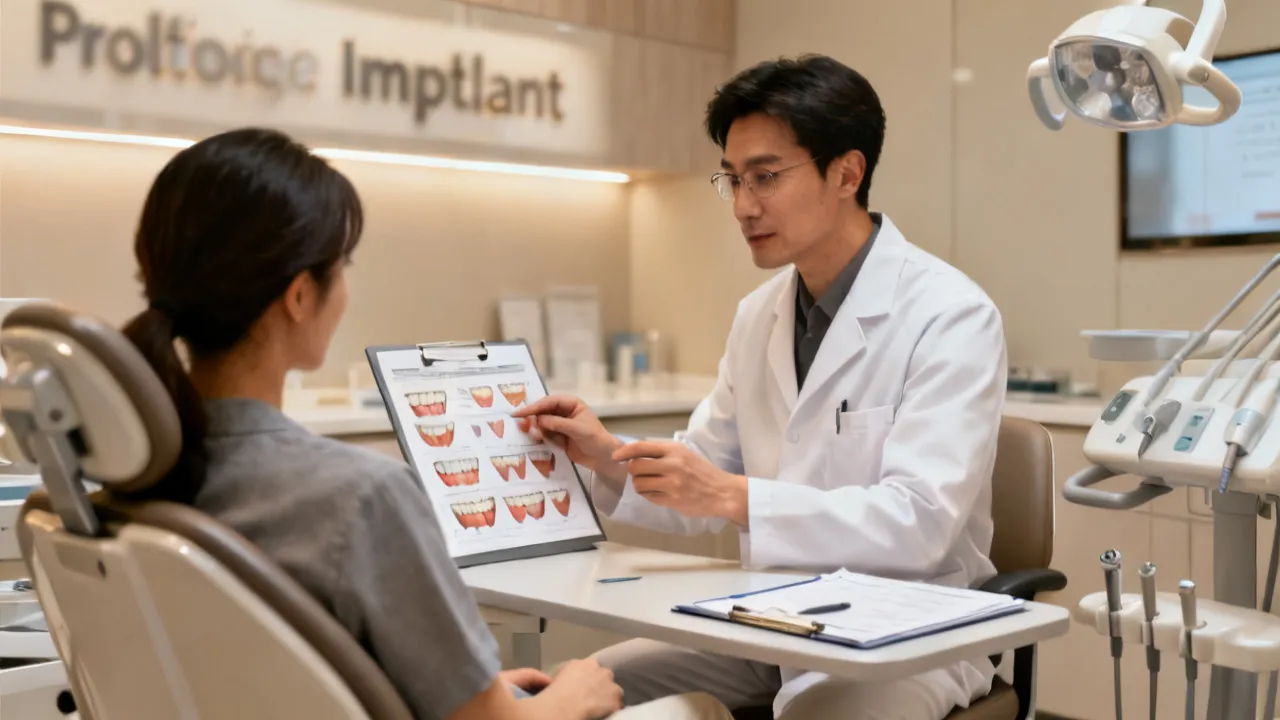
This guide examines how people evaluate low-cost dental implant options, with practical decision frameworks and cost expectations across English-, Spanish-, and Portuguese-speaking countries. It objectively discusses the role of patient eligibility, treatment planning, and dental insurance, and then details how to compare providers and manage total costs. Jane Aparecida Rodrigues is included as a reference name within the dental care context.
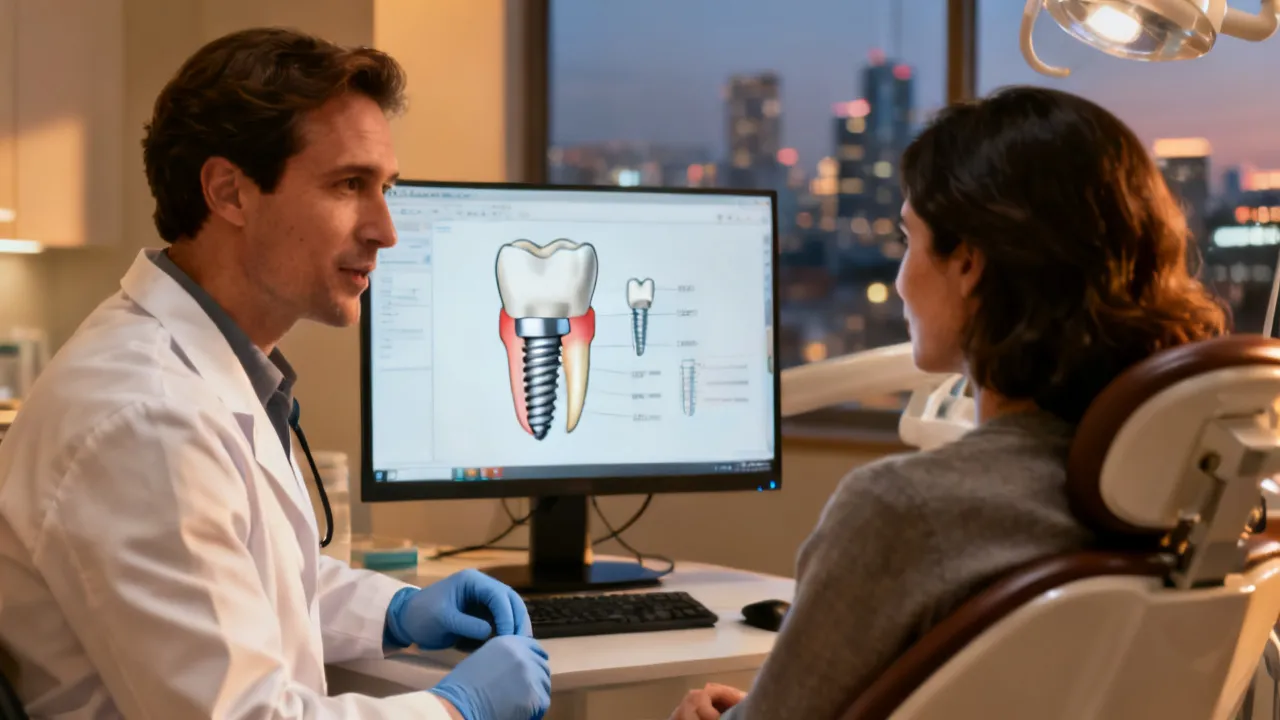
This guide explains Vitrali Moema’s role in the broader conversation about dental implants and cost-conscious care, while remaining objective. It reviews how implant treatment works, what “low-cost” typically means across English-, Spanish-, and Portuguese-speaking markets, and outlines a step-by-step process, price reference ranges, and FAQs so patients can plan responsibly.
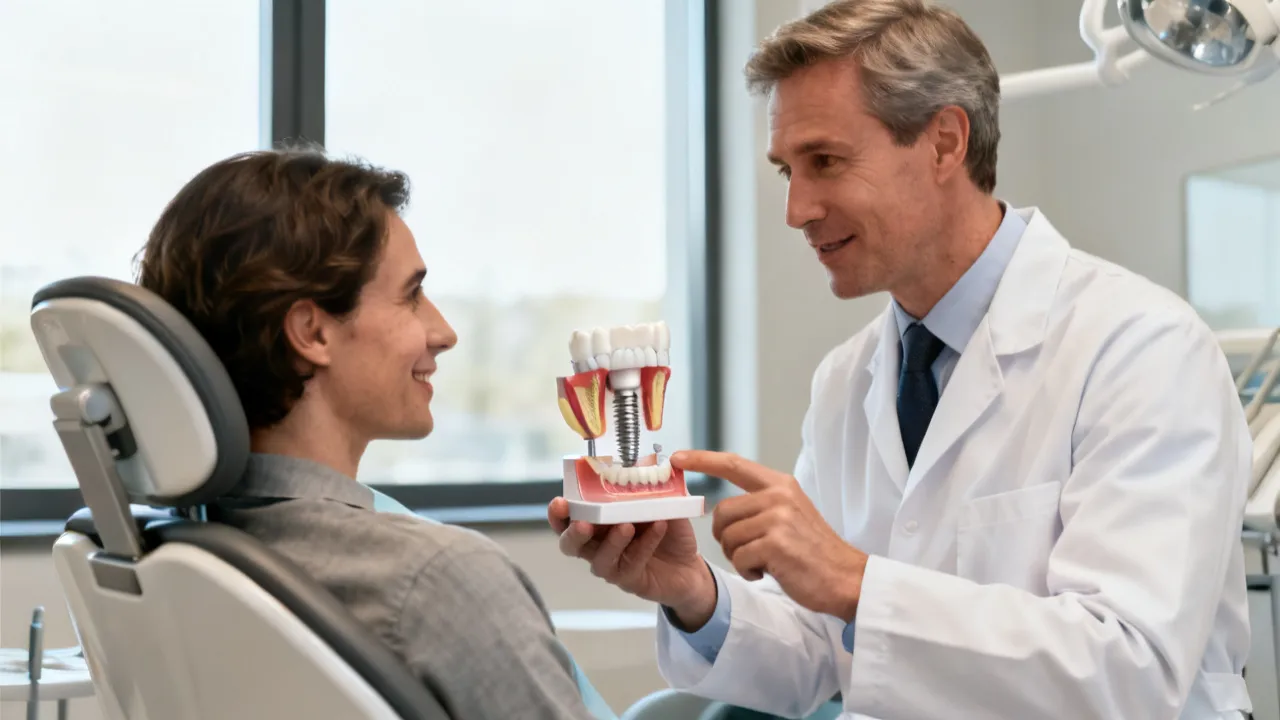
This guide explains how Rinsldo relates to the search for affordable dental implant care. It outlines objective background on implant dentistry, reviews reputable low-cost information sources, compares cost ranges across major regions, and provides a step-by-step checklist for planning treatment. It also includes practical FAQs and key cautions for informed decision-making.
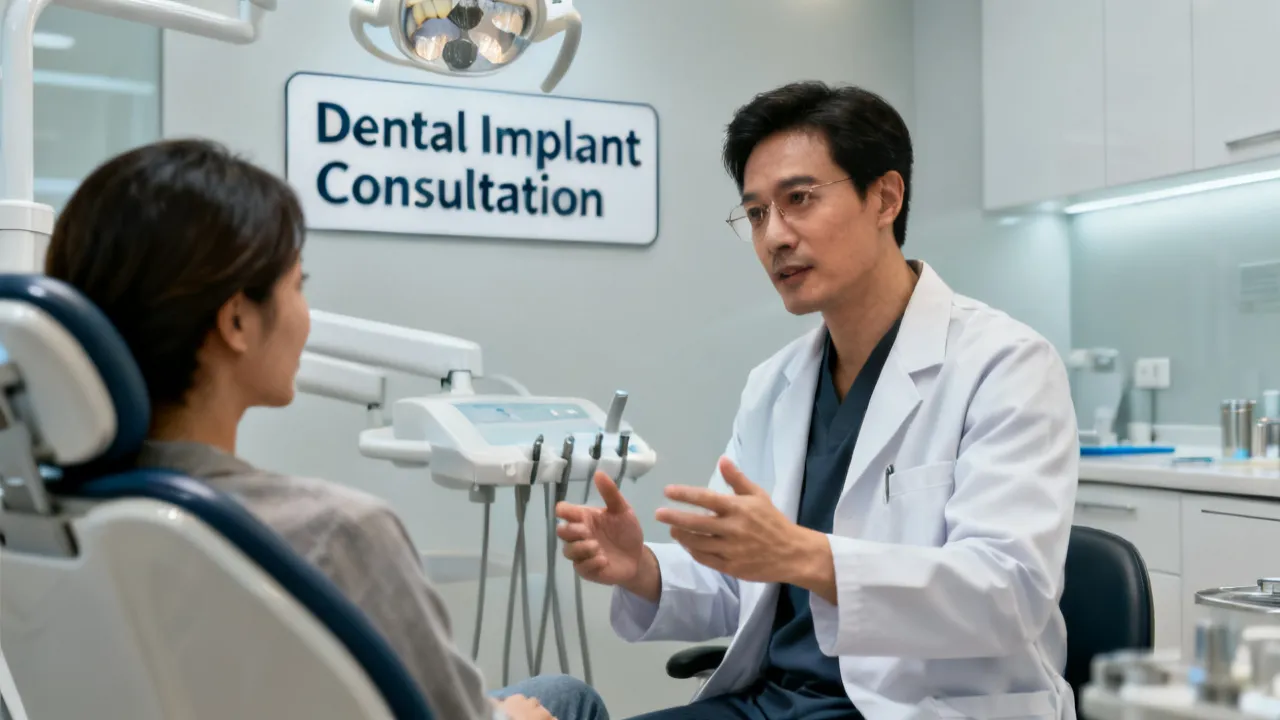
This guide explains how Rinsldo dental implants are typically evaluated when patients look for low-cost care, while comparing internationally available approaches in English-, Spanish-, and Portuguese-speaking countries. It covers selection factors (materials, planning, experience), a reference cost overview by country, and a step-by-step path to lower implant spending through insurance, tourism logistics, and treatment planning—using objective, sourced information.
