Discover affordable full mouth dental implants, their pricing, and how to fix your teeth near me for a brighter smile.

Full mouth dental implants have emerged as a revolutionary solution for those suffering from extensive tooth loss or damage. These implants provide a good solution for missing teeth, allowing individuals to regain their confidence and enjoy a functional smile. Unlike traditional dentures, which can shift and cause discomfort, full mouth dental implants are securely anchored into the jawbone, mimicking the natural tooth structure. This article explores the benefits, eligibility, and costs associated with these good dental implants.
Full mouth dental implants involve the strategic placement of multiple implants in the jaw to support a complete set of artificial teeth. This approach provides a stable and long-lasting solution for patients who may have lost many or all of their teeth due to decay, injury, or other dental issues. The implants are made of titanium and fuse with the jawbone through a process called osseointegration, ensuring a strong and durable foundation for replacement teeth.
There are several benefits to opting for affordable full mouth dental implants, including:
Before proceeding with full mouth dental implants, a thorough evaluation is necessary. Dentists will assess factors such as:
Consulting with a qualified dentist will help determine if you are a suitable candidate for this procedure.
One of the very significant considerations when exploring full mouth dental implants is the cost. Prices can vary widely based on several factors, such as:
On average, the cost of full mouth dental implants can range from $20,000 to $40,000 per arch, depending on these variables. It’s essential to discuss financing options with your dental care provider, as many offer payment plans or accept dental insurance to help manage costs.
If you’re considering full mouth dental implants, searching for “fix my teeth near me” can yield a list of local dental specialists. When choosing a dentist for this procedure, consider the following:
The journey to a new smile with full mouth dental implants generally involves several key steps:
After receiving full mouth dental implants, proper care is vital for their longevity. Here are some aftercare tips:
Very patients report minimal discomfort during and after the procedure, thanks to anesthesia and pain management techniques.
With proper care, full mouth dental implants can last a lifetime, making them a worthwhile investment.
Very adults can qualify for implants, but individual assessments are necessary to determine candidacy based on health and bone density.
The healing process can take several months, but many patients return to normal activities within a few days post-surgery.
Many dental offices offer financing plans, and some insurance policies may cover part of the costs associated with dental implants.
In conclusion, affordable full mouth dental implants provide an excellent solution for restoring your smile and confidence. With their numerous benefits and the chance to find specialists near you, there’s never been a better time to consider this life-changing dental procedure.






Tooth loss can significantly affect not only an individual's appearance but also their overall oral health. When a tooth is lost, the surrounding teeth can shift, leading to misalignment, increased plaque buildup, and potential periodontal issues. This article will discuss how dental implants can maintain oral health after tooth loss and provide practical guidance for individuals considering this restorative option.
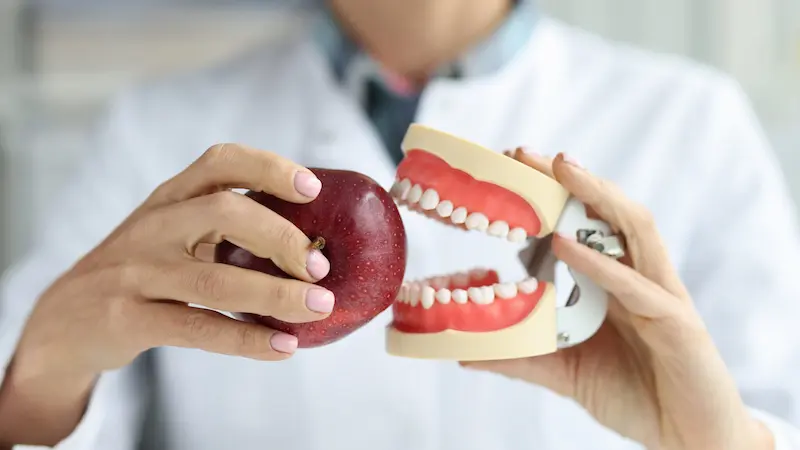
As society advances, the significance of oral health, particularly among the elderly population, has garnered increasing attention. One of the essential developments in this realm is the emergence of dental implants, which provide a viable solution for individuals suffering from tooth loss.
This article aims to provide an objective overview of the benefits, maintenance, and best practices related to dental implants for the elderly, enabling them to maintain optimal oral health.
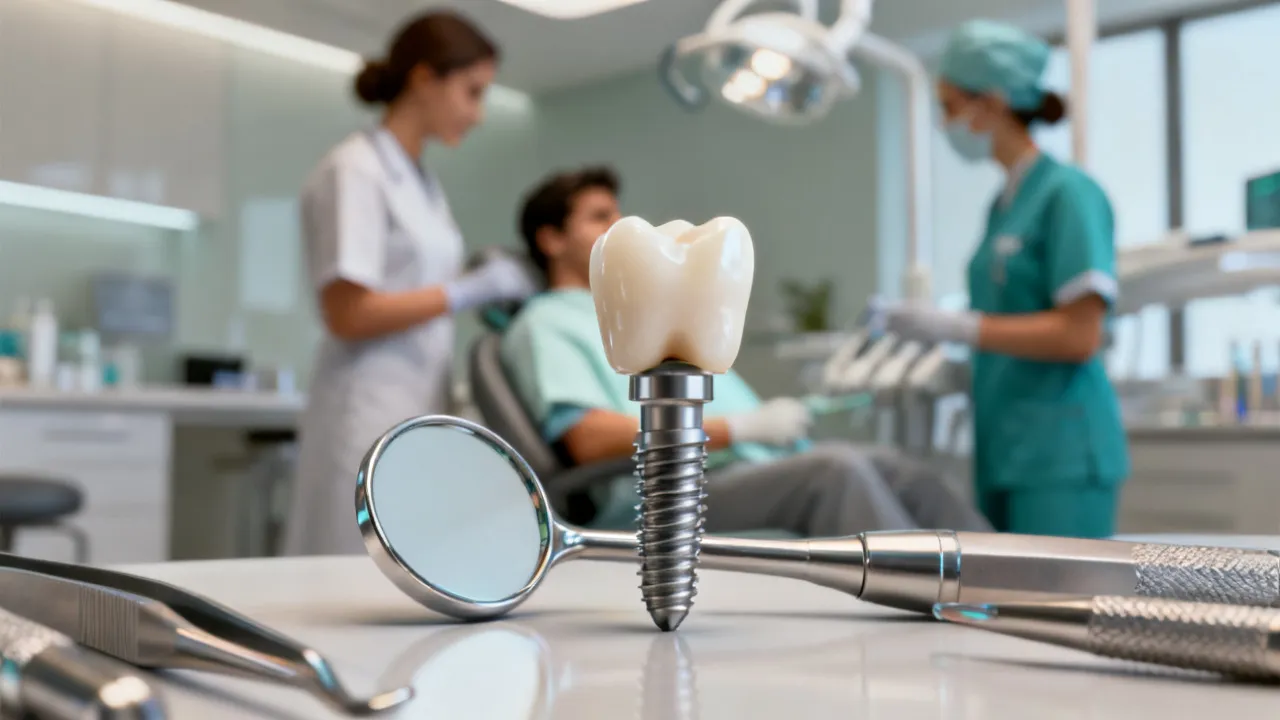
This guide explains how Vitrali Moema approaches dental implant care and what patients typically evaluate when seeking low-cost dental implants. It provides an objective overview of implant basics, cost drivers, and decision factors, plus a cross-country reference range and practical steps for obtaining affordable implant treatment responsibly.
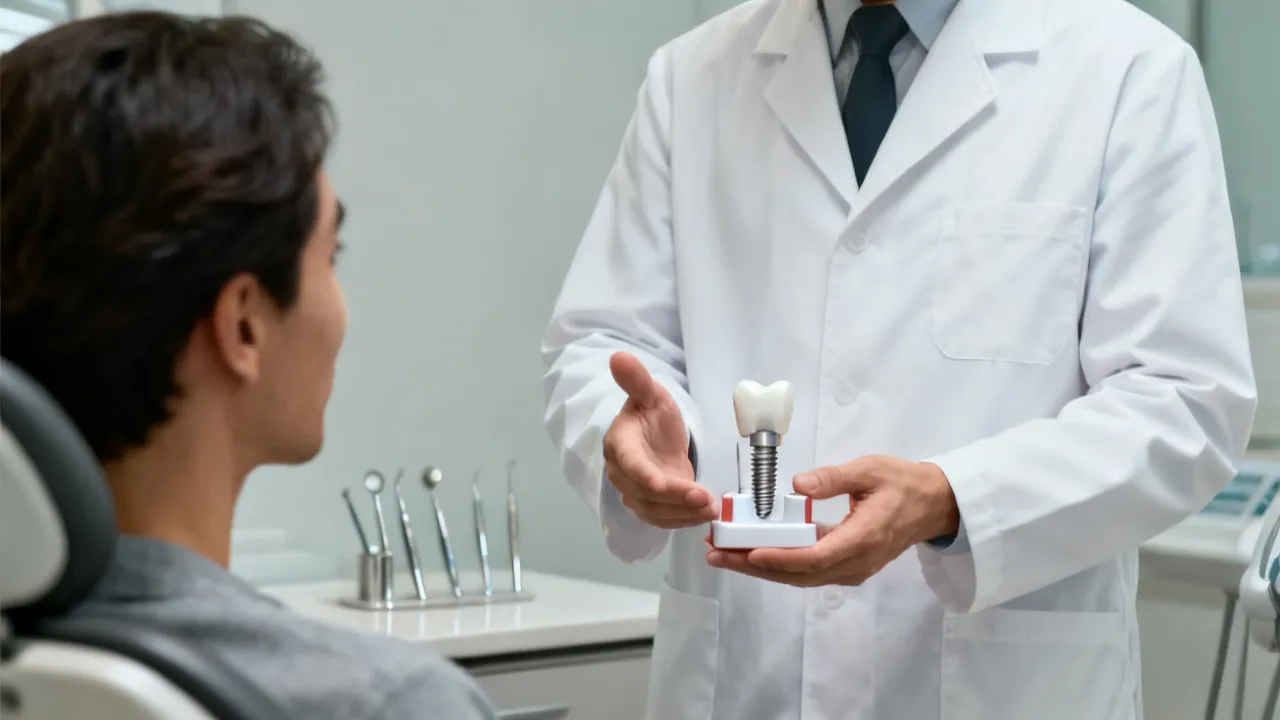
This guide reviews low-cost dental implant options and how people in English-, Spanish-, and Portuguese-speaking countries typically manage affordability. It explains what dental implants are, which factors drive price, and how to compare clinics, insurance, and dental tourism routes. It also provides practical steps, example implant cost ranges by country, and expert-style FAQs.
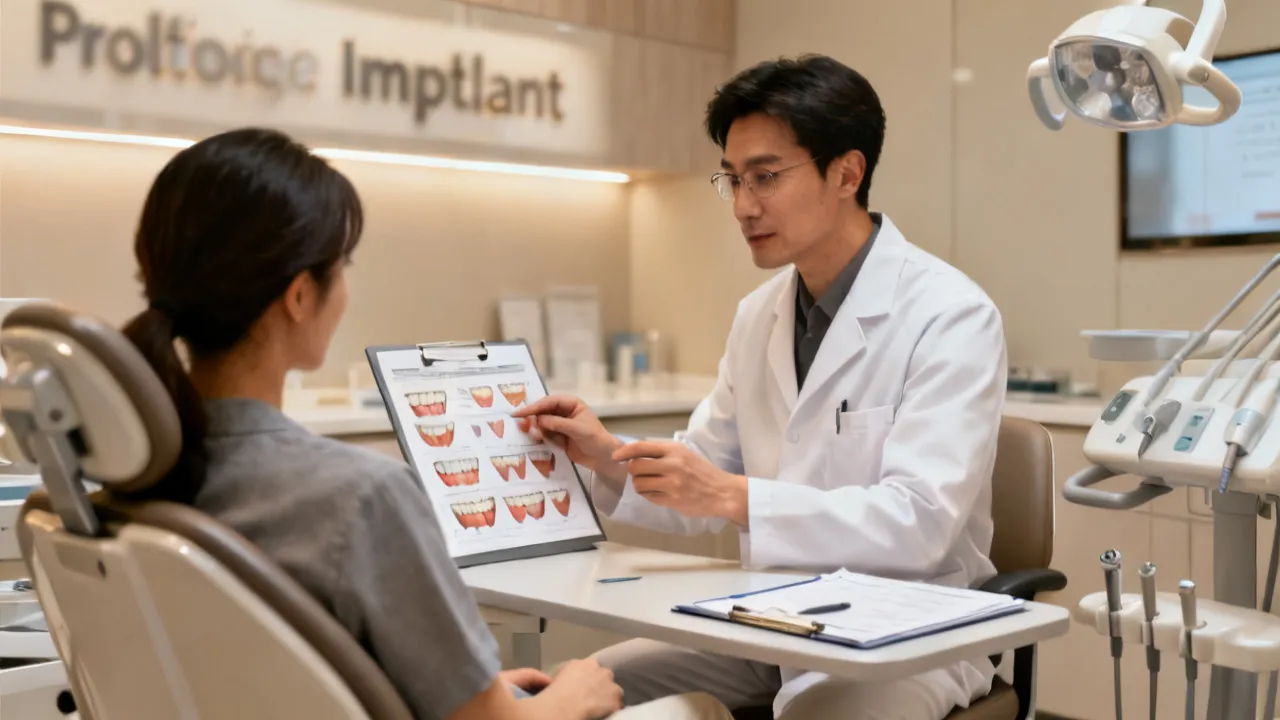
This guide examines how people evaluate low-cost dental implant options, with practical decision frameworks and cost expectations across English-, Spanish-, and Portuguese-speaking countries. It objectively discusses the role of patient eligibility, treatment planning, and dental insurance, and then details how to compare providers and manage total costs. Jane Aparecida Rodrigues is included as a reference name within the dental care context.
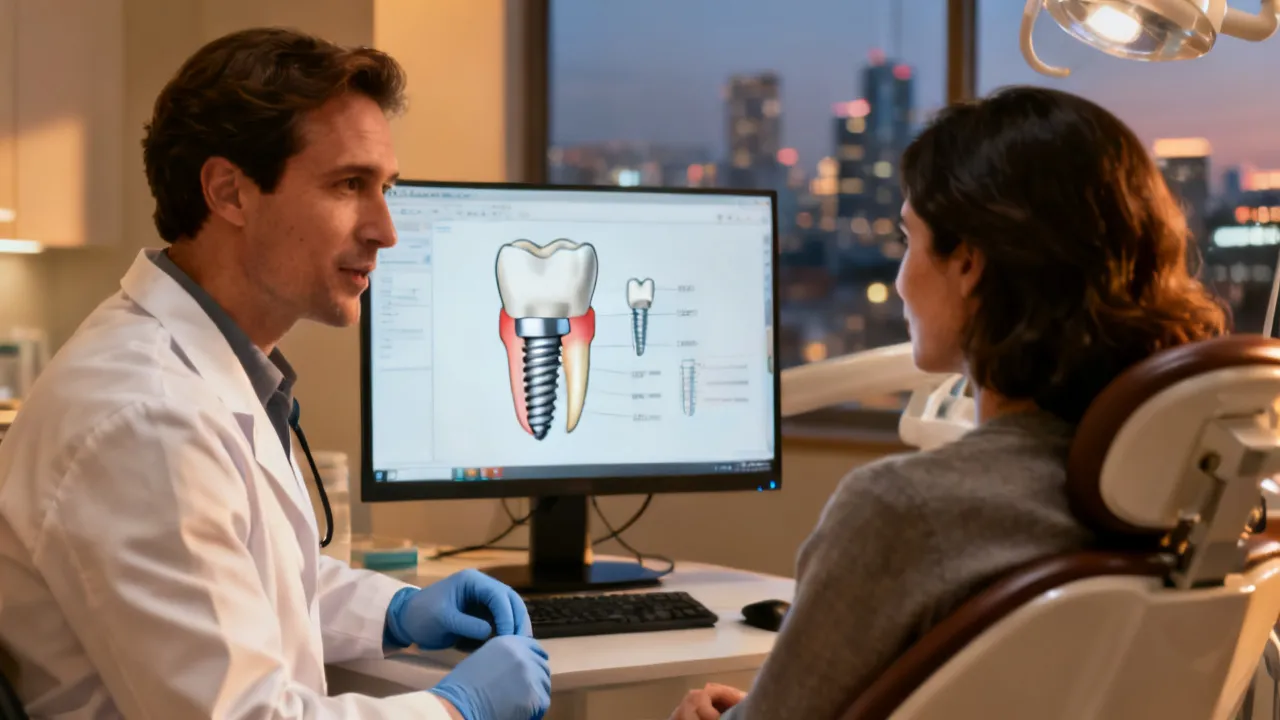
This guide explains Vitrali Moema’s role in the broader conversation about dental implants and cost-conscious care, while remaining objective. It reviews how implant treatment works, what “low-cost” typically means across English-, Spanish-, and Portuguese-speaking markets, and outlines a step-by-step process, price reference ranges, and FAQs so patients can plan responsibly.
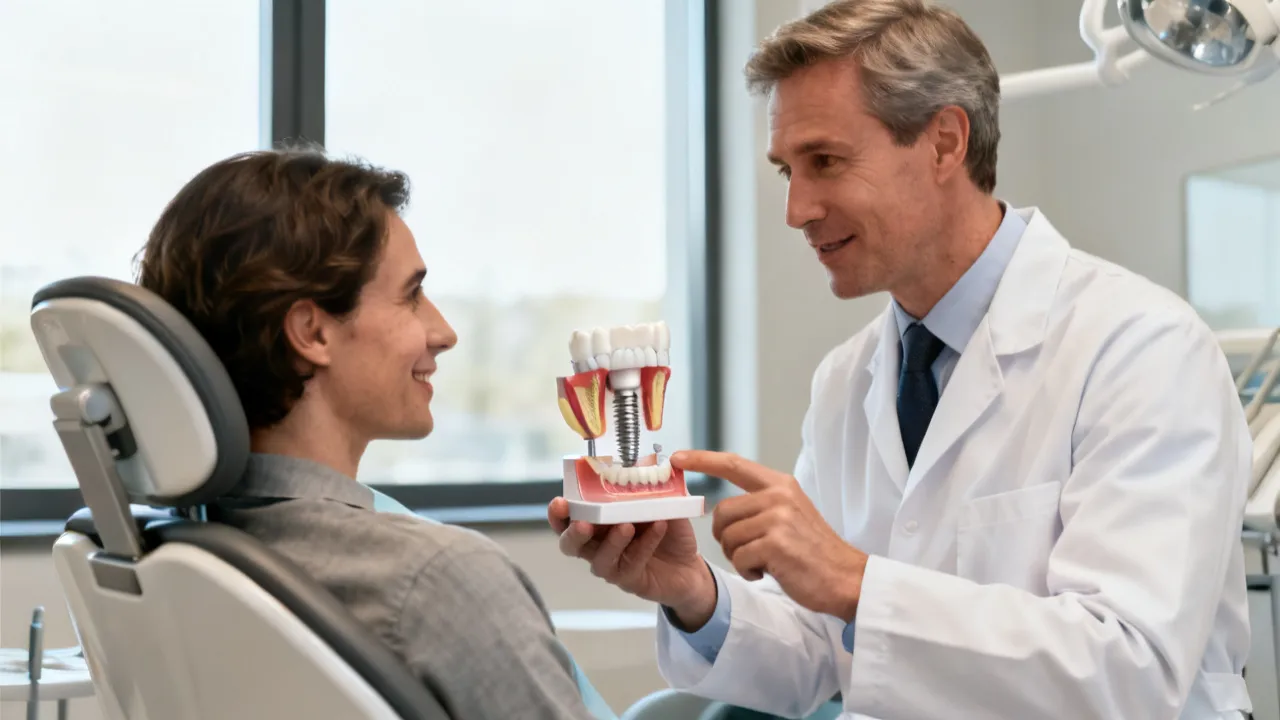
This guide explains how Rinsldo relates to the search for affordable dental implant care. It outlines objective background on implant dentistry, reviews reputable low-cost information sources, compares cost ranges across major regions, and provides a step-by-step checklist for planning treatment. It also includes practical FAQs and key cautions for informed decision-making.
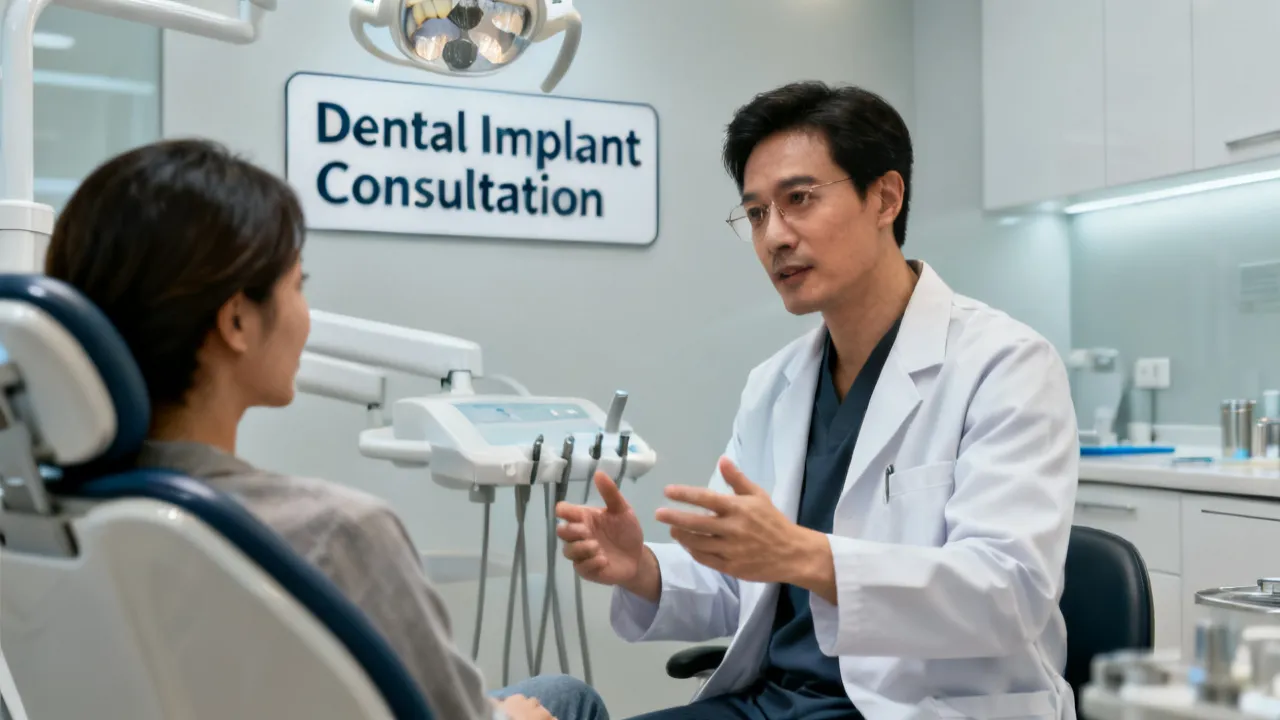
This guide explains how Rinsldo dental implants are typically evaluated when patients look for low-cost care, while comparing internationally available approaches in English-, Spanish-, and Portuguese-speaking countries. It covers selection factors (materials, planning, experience), a reference cost overview by country, and a step-by-step path to lower implant spending through insurance, tourism logistics, and treatment planning—using objective, sourced information.
