As the global community becomes more aware of climate change and environmental degradation, many are seeking solutions that promote sustainable living. One promising approach is the construction of eco houses. These homes are designed to minimize environmental impact, promote energy efficiency, and contribute to a healthier planet. This article aims to give a comprehensive overview of what eco houses are, their benefits, and practical steps you can take to build or convert your home into an eco-friendly one.

Eco houses, also known as green homes or sustainable houses, are residential buildings designed with environmental sustainability in mind. These houses incorporate various eco-friendly elements, from energy-efficient appliances and natural lighting to renewable energy sources and sustainable materials.
Energy Sources: Solar panels and wind turbines are frequently used to generate renewable energy. Geothermal heating systems can also contribute to reduced energy consumption.
Materials: Sustainable building materials such as bamboo, recycled steel, and reclaimed wood are commonly used. These materials are chosen for their low environmental impact and durability.
Insulation: Effective insulation is crucial for maintaining indoor temperatures and reducing the need for heating and cooling. Materials like sheep's wool, cellulose, and even recycled denim can be used for insulation.
Water Management: Eco houses often include rainwater harvesting systems, low-flow plumbing fixtures, and greywater recycling systems. These features help reduce water consumption and promote sustainable water management.
Air Quality: Ventilation systems that incorporate natural airflow, along with the use of non-toxic paints and finishes, improve indoor air quality.
Q: How much does it cost to build an eco house?
A: The cost can vary widely based on location, size, and the specific sustainable features included. Generally, eco houses can be more expensive upfront, but the long-term savings on energy bills and potential public sector incentives can offset initial costs.
Q: Are there public sector incentives for building eco houses?
A: Yes, many countries offer financial incentives such as tax rebates, grants, and low-interest loans for building eco-friendly homes. It is advisable to check local public sector websites for specific information.
Q: Can existing homes be converted into eco houses?
A: Absolutely. Existing homes can be retrofitted with energy-efficient systems, sustainable materials, and water management systems to improve their environmental footprint.
Eco houses represent a significant step towards sustainable living. By focusing on energy efficiency, sustainable materials, and resource conservation, these homes offer numerous benefits both for inhabitants and the broader environment. Whether you are considering building a new eco house or converting your current home, embracing these sustainable practices is an investment towards a greener future.





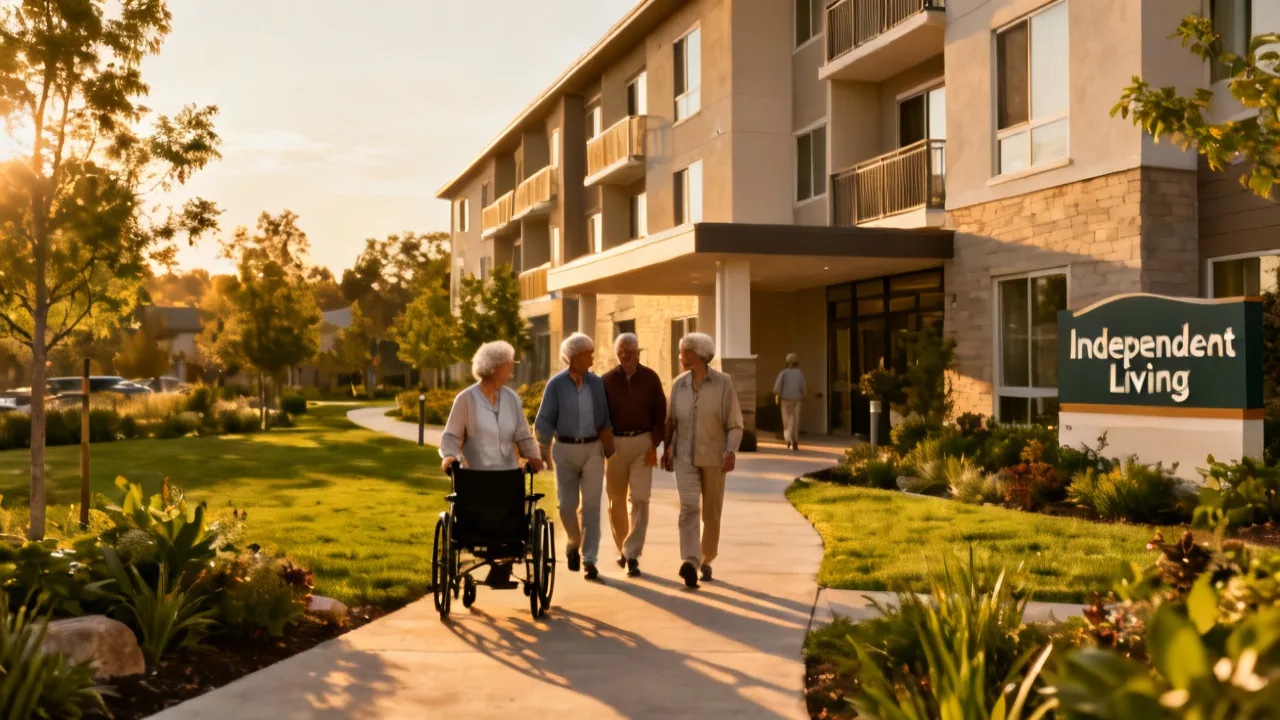
This guide explains how to evaluate Senior Independent Living nearby, with a focus on practical, cost-aware decision-making. It covers what independent living typically includes, how to compare pricing using rental-focused benchmarks, and how to verify services and eligibility using reliable resources in English-speaking countries and beyond. The background context clarifies why careful evaluation matters for seniors and families.
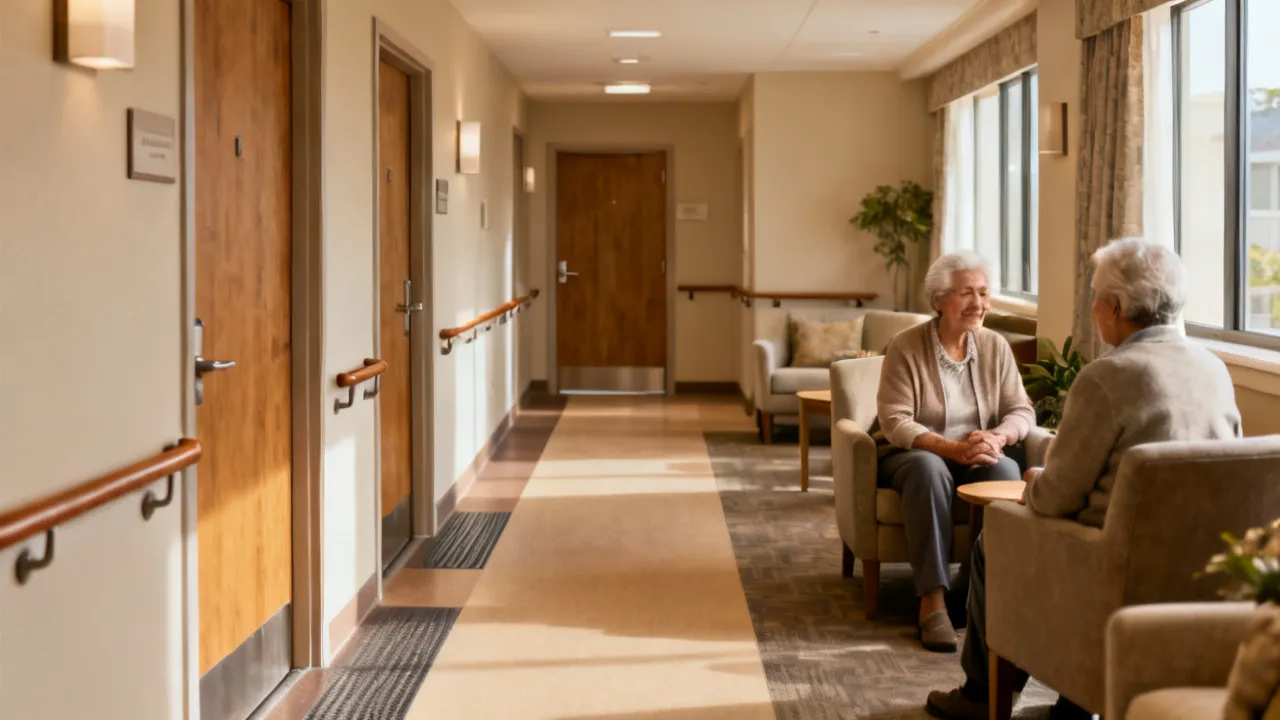
This guide explains how to compare Senior Independent Living Nearby options, with practical steps for evaluating costs, services, and rental terms. It outlines key decision factors such as location, accessibility, community activities, and contract requirements. Background context covers what independent living usually includes, how pricing tends to vary, and which reputable resources can help families verify details.

This guide explains how to evaluate and compare senior independent living nearby options, with a focus on rental-style costs, practical amenities, and decision criteria families can verify. It also outlines where to research in English-speaking and other countries, and how to shortlist communities responsibly using reputable directories, nonprofit guidance, and move-transition support.
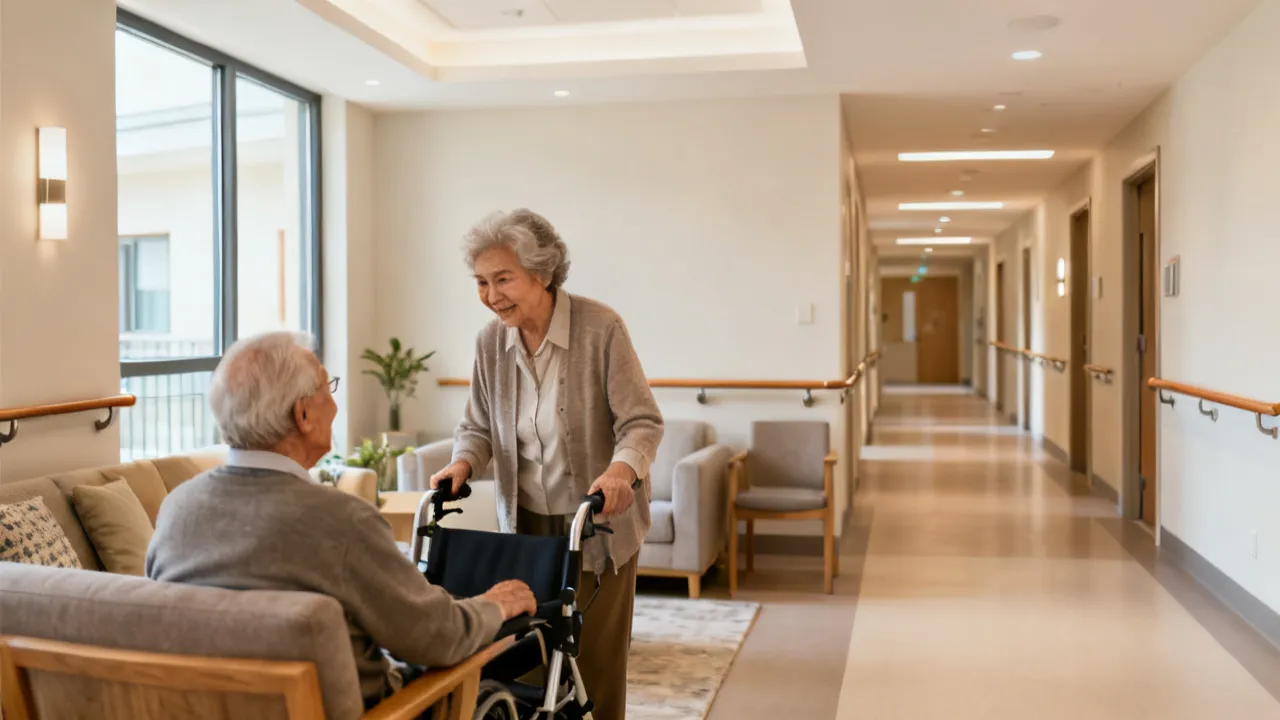
This guide explains how to evaluate Senior Independent Living nearby, including what “independent living” typically covers, how to compare rental-focused options, and how to estimate monthly costs across several countries. It also provides expert checklists for inspections, budgeting, and transition planning using reputable senior-living resources, with FAQs to help you make an objective decision.
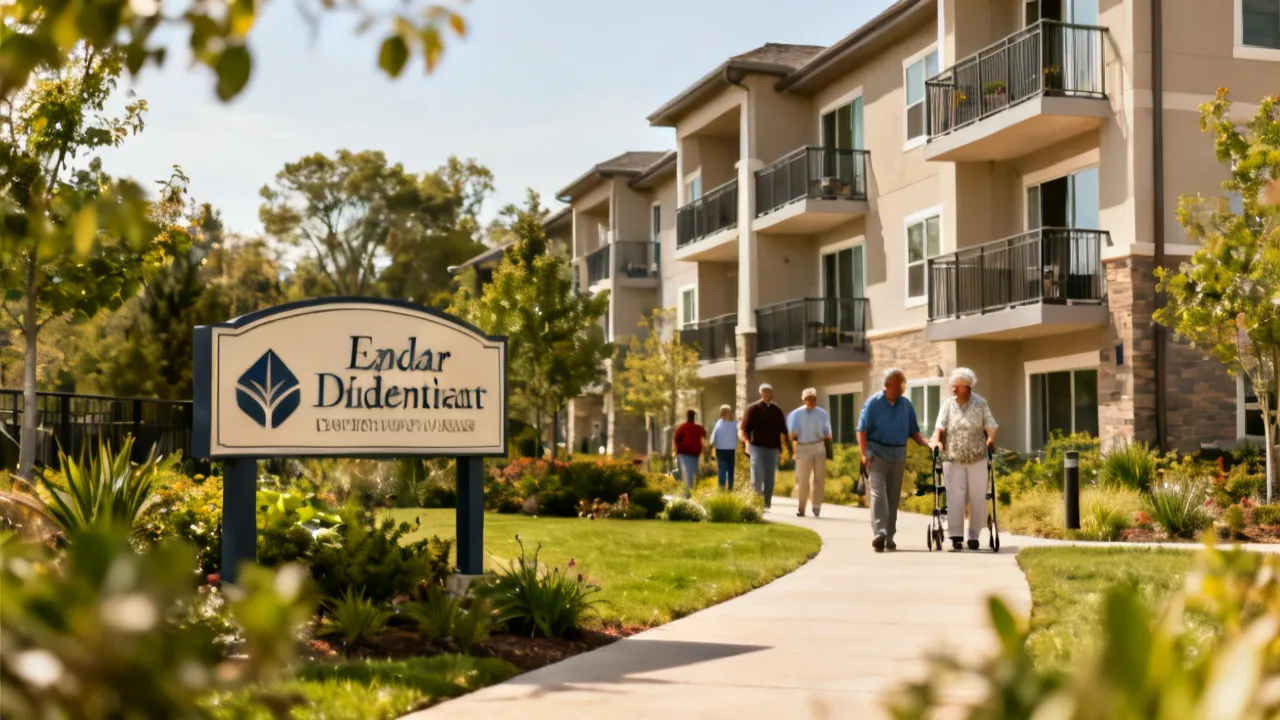
This guide explains how to evaluate Senior Independent Living nearby, especially when rental affordability matters. It outlines objective selection criteria for independent living options, the tradeoffs between location and monthly costs, and practical steps for researching communities. It also provides cost-range benchmarks across major {English-speaking countries} and other regions, plus expert tips on verifying services, contracts, and care pathways.

This guide helps you evaluate Senior Independent Living Near Me by comparing rental-focused options, affordability strategies, and selection criteria. It outlines the background of independent living—typically for seniors who want autonomy with supportive services—and explains why “nearby” matters for healthcare access, family involvement, and daily convenience.

Finding Senior Independent Living Near Me is about balancing independence, safety, and costs while matching services to real day-to-day needs. This objective guide explains how “independent living” differs from other senior housing models, what families should verify during tours, and how to research low-rental options using reputable organizations in English-speaking countries and in France.

This guide explains how to evaluate Senior Independent Living Near Me options with a focus on practical decision factors, service models, and rental cost expectations. It provides objective background on independent living, highlights reputable resources used in English-speaking countries, and offers step-by-step methods to compare low-cost alternatives. You’ll also find rental-only price ranges by country and city type.
