As the senior population continues to grow, the demand for living arrangements that offer both independence and community is becoming increasingly important. Senior apartments, specifically designed to cater to the needs of older adults, provide an ideal balance between maintaining autonomy and enjoying a rich social life. This article delves into how seniors can maximize their living experience in such environments.

Senior apartments are residential complexes exclusively available to older adults, generally aged 55 and above. Unlike assisted living facilities, senior apartments typically do not offer extensive medical care or daily assistance. Instead, they focus on providing a supportive community, safety features, and amenities that enrich the lives of their residents.
One of the quintessential benefits of senior apartments is the ability for residents to live independently. These apartments often include accessible design features such as grab bars in bathrooms, non-slip flooring, and emergency pull cords, allowing seniors to navigate their daily routines with ease. Retaining control over one's life decisions can significantly contribute to mental and emotional well-being.
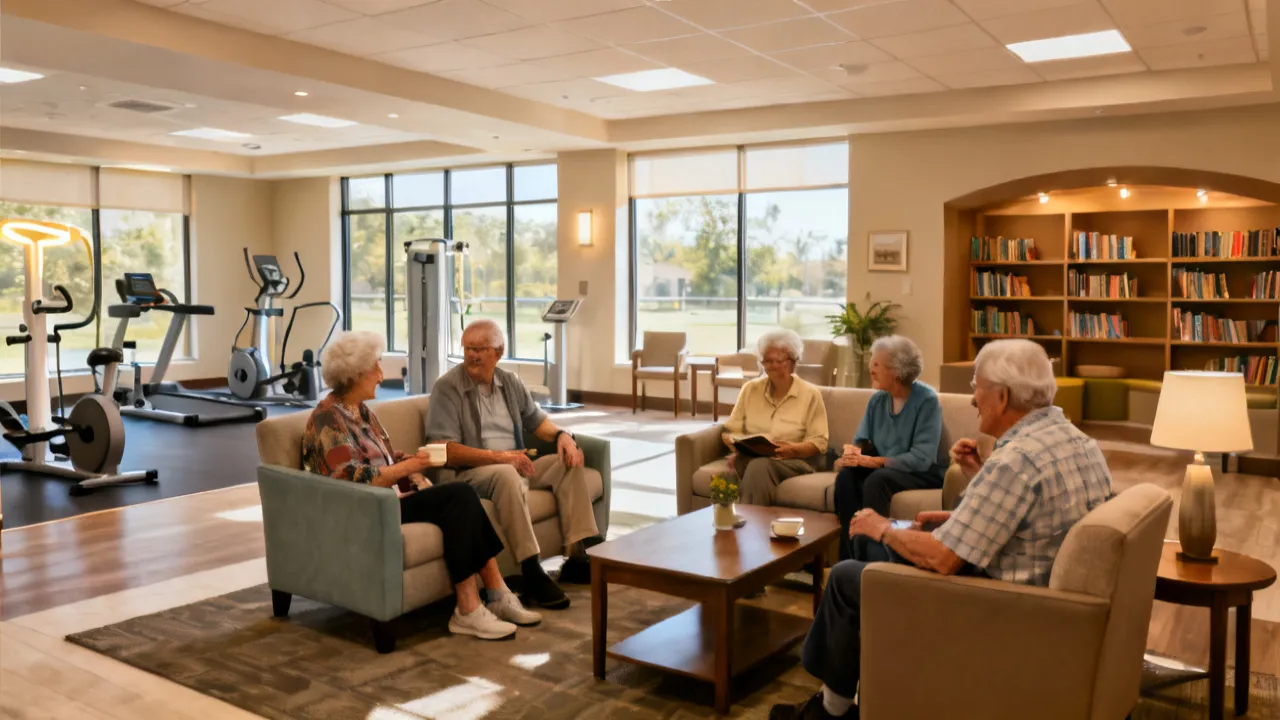
Living in a senior apartment complex provides ample opportunities for social interaction. Many facilities offer communal areas, such as community rooms, gardens, and swimming pools, where residents can gather. Organized activities like exercise classes, game nights, and group outings further enhance the sense of community and prevent social isolation, which is prevalent among older adults.
Senior apartments are designed with safety in mind. Security measures often include secure entry systems, well-lit common areas, and emergency response systems. Knowing that they are living in a secure environment allows seniors to focus on enjoying their daily lives without undue stress.
Senior apartments frequently come equipped with amenities such as laundry facilities, fitness centers, and on-site dining options. Accessibility to these conveniences makes daily living easier and more enjoyable. Additionally, some complexes provide transportation services, helping residents get to medical appointments, shopping centers, and social events.
Selecting the right senior apartment complex is essential. Prospective residents should consider factors such as location, cost, available amenities, and community culture. It's advisable to visit multiple complexes, participate in community activities, and talk to current residents to get a well-rounded view of what to expect.
Once the right community is chosen, residents should make full use of the available resources. Participating in on-site activities, utilizing communal facilities, and engaging with resident councils or social groups can significantly enhance the living experience. Staying active and involved can lead to new friendships and a richer, more fulfilling lifestyle.
Health and wellness are crucial components of a fulfilling life in senior apartments. Many complexes offer wellness programs, including fitness classes, nutritional counseling, and health screenings. Residents should take advantage of these services to maintain their physical and mental health. Additionally, forming exercise groups or attending wellness workshops can provide both health benefits and social interaction.
Building strong community connections can turn a living space into a home. Initiating or participating in resident-led clubs, hobby groups, and volunteer opportunities can foster a sense of belonging. Being an active member of the community not only enhances personal well-being but also contributes positively to the overall atmosphere of the apartment complex.
Finally, staying informed about the latest developments within the community and maintaining external connections is vital. Many senior apartments have newsletters, bulletin boards, or online platforms to keep residents updated. Additionally, regular contact with family, friends, and broader community services can provide emotional support and keep seniors connected to the world beyond their immediate living environment.
Senior apartments provide a unique blend of independence and community living that can greatly enhance the quality of life for older adults. By actively participating in community activities, utilizing available resources, and maintaining health and wellness, seniors can maximize their living experience and enjoy a fulfilling, enriched life. The balance of autonomy and social engagement found in senior apartments makes them an excellent option for those looking to maintain their independence while being part of a vibrant community.





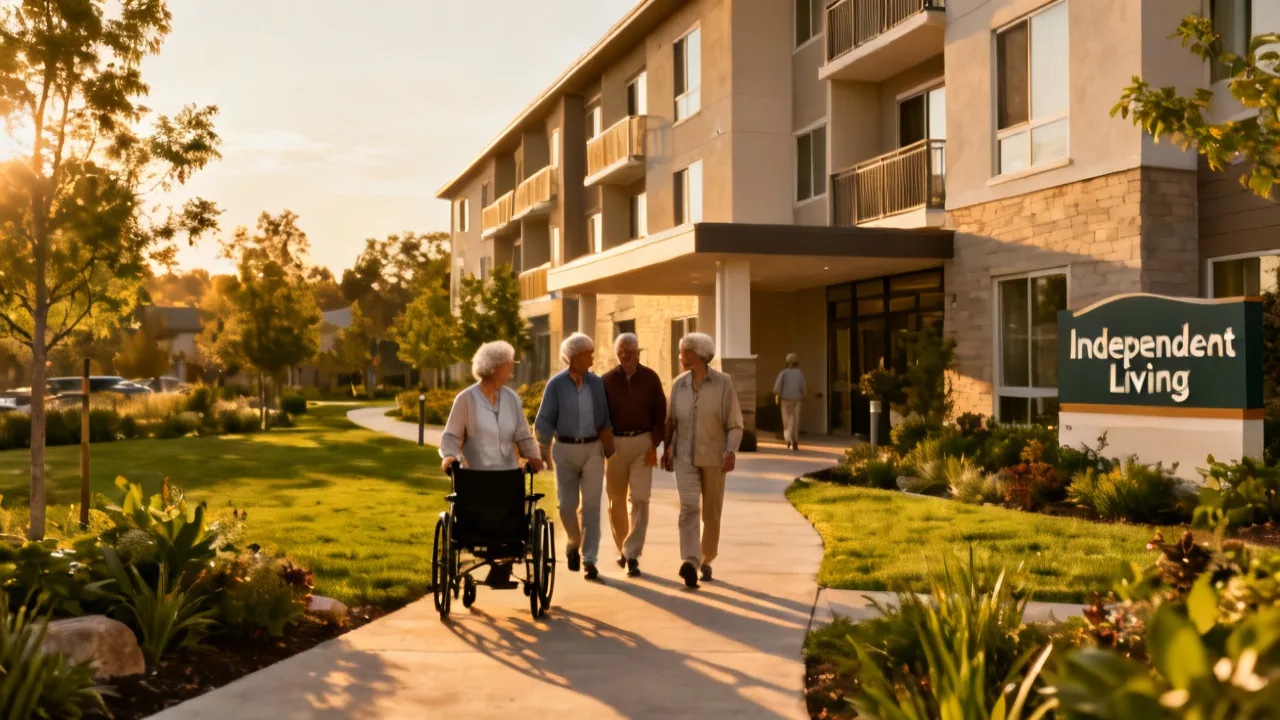
This guide explains how to evaluate Senior Independent Living nearby, with a focus on practical, cost-aware decision-making. It covers what independent living typically includes, how to compare pricing using rental-focused benchmarks, and how to verify services and eligibility using reliable resources in English-speaking countries and beyond. The background context clarifies why careful evaluation matters for seniors and families.
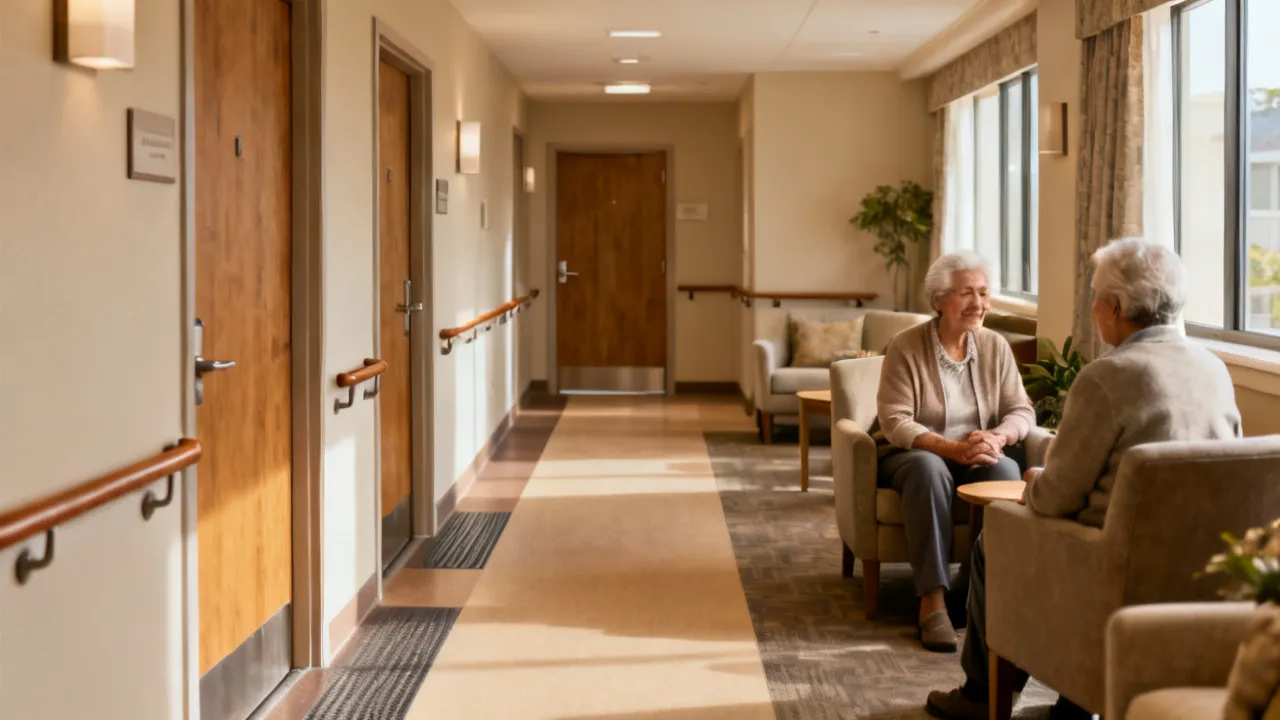
This guide explains how to compare Senior Independent Living Nearby options, with practical steps for evaluating costs, services, and rental terms. It outlines key decision factors such as location, accessibility, community activities, and contract requirements. Background context covers what independent living usually includes, how pricing tends to vary, and which reputable resources can help families verify details.

This guide explains how to evaluate and compare senior independent living nearby options, with a focus on rental-style costs, practical amenities, and decision criteria families can verify. It also outlines where to research in English-speaking and other countries, and how to shortlist communities responsibly using reputable directories, nonprofit guidance, and move-transition support.
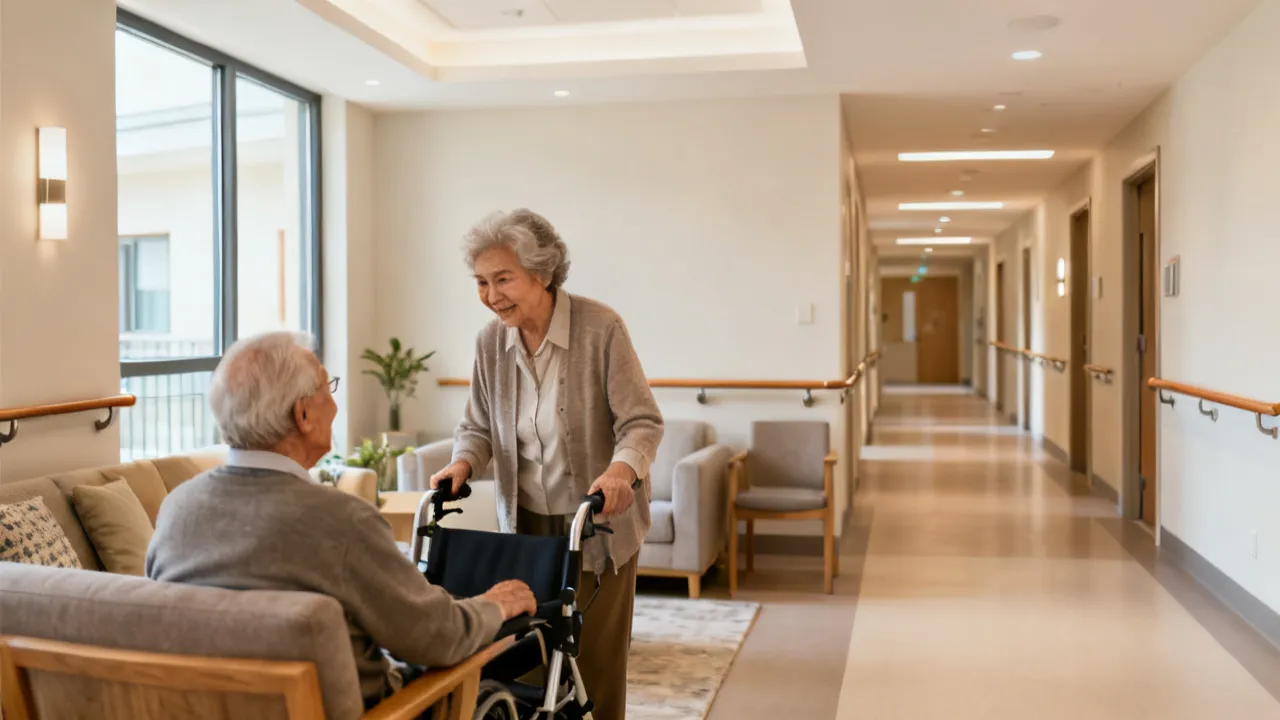
This guide explains how to evaluate Senior Independent Living nearby, including what “independent living” typically covers, how to compare rental-focused options, and how to estimate monthly costs across several countries. It also provides expert checklists for inspections, budgeting, and transition planning using reputable senior-living resources, with FAQs to help you make an objective decision.
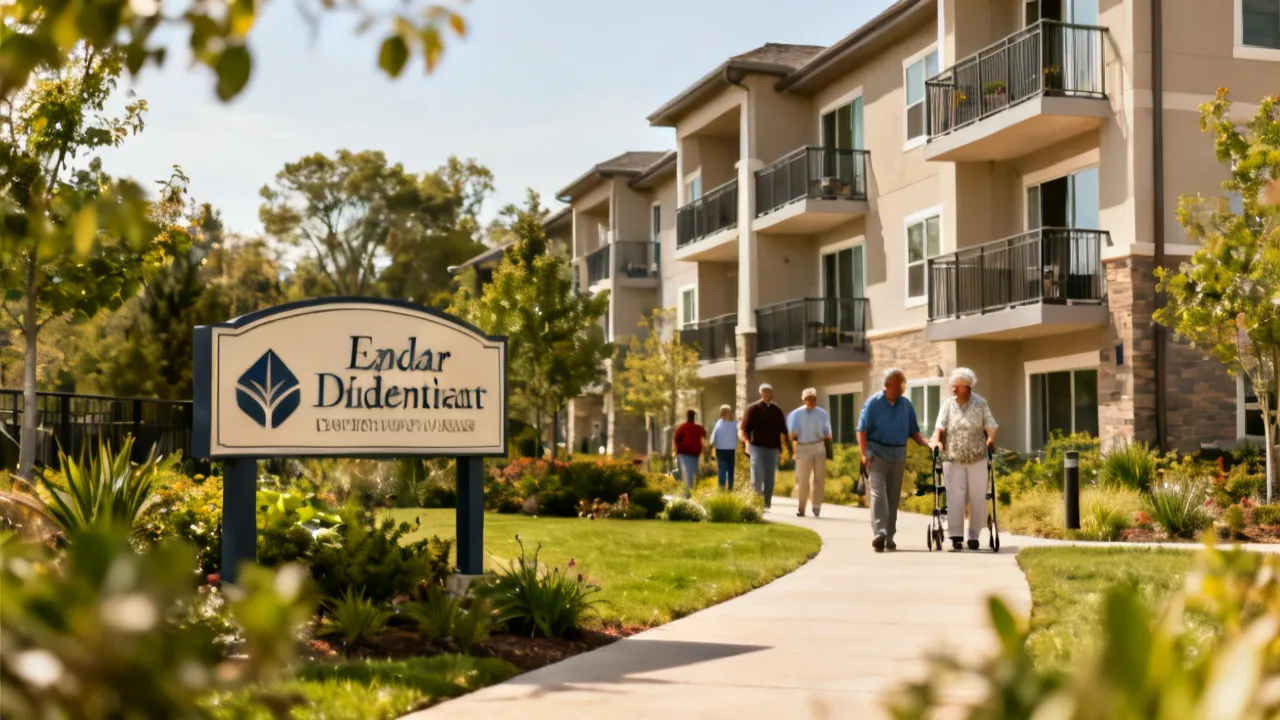
This guide explains how to evaluate Senior Independent Living nearby, especially when rental affordability matters. It outlines objective selection criteria for independent living options, the tradeoffs between location and monthly costs, and practical steps for researching communities. It also provides cost-range benchmarks across major {English-speaking countries} and other regions, plus expert tips on verifying services, contracts, and care pathways.

This guide helps you evaluate Senior Independent Living Near Me by comparing rental-focused options, affordability strategies, and selection criteria. It outlines the background of independent living—typically for seniors who want autonomy with supportive services—and explains why “nearby” matters for healthcare access, family involvement, and daily convenience.
Finding Senior Independent Living Near Me is about balancing independence, safety, and costs while matching services to real day-to-day needs. This objective guide explains how “independent living” differs from other senior housing models, what families should verify during tours, and how to research low-rental options using reputable organizations in English-speaking countries and in France.

This guide explains how to evaluate Senior Independent Living Near Me options with a focus on practical decision factors, service models, and rental cost expectations. It provides objective background on independent living, highlights reputable resources used in English-speaking countries, and offers step-by-step methods to compare low-cost alternatives. You’ll also find rental-only price ranges by country and city type.
